
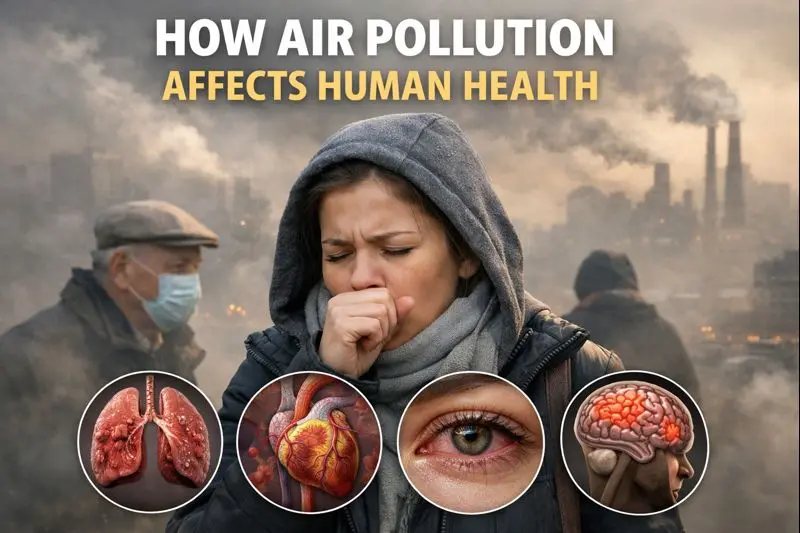
In this article, we will explore the critical relationship between air pollution and human health. Air pollution is a global concern that impacts millions of people worldwide on a daily basis. From respiratory problems to skin conditions and even pregnancy risks, the effects of polluted air on human health are extensive and concerning. By understanding how air pollution affects various aspects of our well-being, we can take steps towards minimizing its detrimental impact on our lives.
How Air Pollution Affects Human Health
Air pollution has a direct and significant impact on respiratory health. High levels of pollutants in the air are closely linked to respiratory diseases such as asthma and bronchitis. The inhalation of pollutants like particulate matter and nitrogen dioxide can exacerbate existing respiratory conditions and lead to breathing difficulties, especially in vulnerable populations.
Furthermore, air pollution poses serious risks to cardiovascular health. Long-term exposure to pollutants can increase the chances of heart attacks and strokes. The presence of harmful substances in the air triggers inflammation and oxidative stress in the cardiovascular system, contributing to the development of heart conditions and compromising overall heart health.
Neurological Effects
Studies have shown that air pollution can have adverse effects on cognitive functions and neurological health. Exposure to pollutants has been linked to an increased risk of neurological disorders such as Alzheimer's and Parkinson's disease. Fine particles in the air can enter the brain through the bloodstream, causing inflammation and oxidative stress that may impair cognitive abilities and accelerate neurodegenerative processes.
Additionally, air pollution is associated with various skin conditions. Pollutants can lead to skin irritation, rashes, acne, and premature aging. The chemicals present in polluted air can damage the skin's protective barrier, disrupt its natural balance, and promote the development of dermatological issues, highlighting the need for proper skincare in polluted environments.
Pregnancy Risks
Pregnant women are particularly vulnerable to the dangers of air pollution, as exposure to pollutants can harm both maternal and fetal health. Studies have shown that air pollution during pregnancy can lead to adverse birth outcomes, including low birth weight and preterm birth. The presence of toxic substances in the air can cross the placental barrier and affect fetal development, emphasizing the importance of protecting expectant mothers from exposure to polluted air.
Furthermore, long-term implications of air pollution on human health are concerning. Prolonged exposure to polluted air can have lasting effects on respiratory, cardiovascular, neurological, and overall well-being. It is essential to address the root causes of air pollution and implement measures to reduce emissions and improve air quality for the betterment of public health.
Air pollution poses a significant threat to human health, impacting various bodily systems and presenting risks across different stages of life. The detrimental effects of polluted air on respiratory, cardiovascular, neurological, and skin health underscore the urgent need for collective action to mitigate air pollution and safeguard public health. By raising awareness, advocating for cleaner air policies, and making conscious choices to reduce our carbon footprint, we can create a healthier environment for current and future generations.
FAQs
How does air pollution affect skin health?
Air pollution can contribute to skin issues such as rashes, acne, and premature aging by disrupting the skin's natural balance and causing inflammation.
What are the long-term implications of air pollution on human health?
Prolonged exposure to polluted air can lead to chronic respiratory diseases, cardiovascular complications, neurological disorders, and overall deterioration of health over time.