
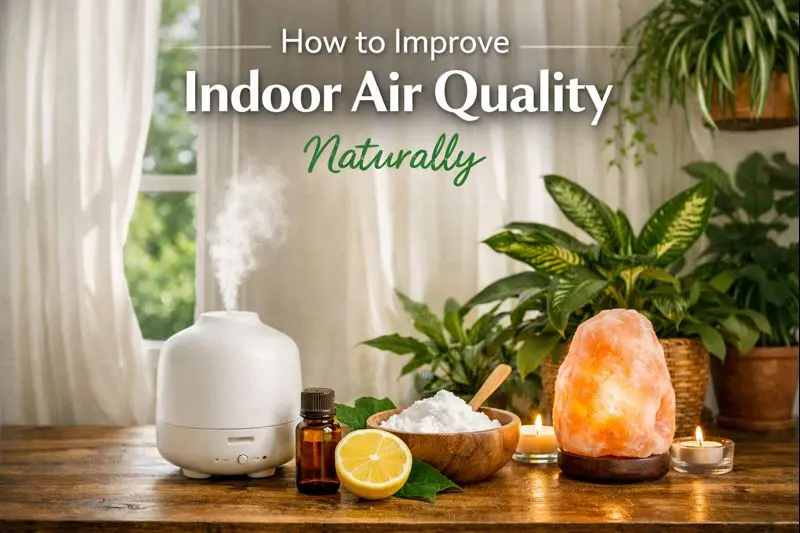
How to Improve Indoor Air Quality Naturally
Indoor air quality plays a crucial role in our overall health and well-being, yet it is often overlooked. By implementing simple and natural methods, you can significantly enhance the air quality in your home, creating a healthier environment for you and your family.
One effective way to improve indoor air quality is through proper ventilation. Ensuring good air circulation by opening windows and using fans can help remove stale air and introduce fresh outdoor air into your living space. Cross-ventilation techniques can further promote air exchange, eliminating pollutants and enhancing the overall freshness of the air.
In addition to ventilation, incorporating indoor plants into your home can offer numerous benefits. Plants not only add aesthetic value but also act as natural air purifiers by absorbing carbon dioxide and releasing oxygen. Furthermore, certain plants have air-filtering properties that can help eliminate harmful toxins present in indoor environments.
The use of essential oils through aromatherapy is another excellent way to improve air quality naturally. Essential oils not only emit pleasant fragrances but also possess antimicrobial properties that can help cleanse the air and promote relaxation and well-being.
Ventilation at Home: Tips for Cross-Ventilation and Air Exchange
Proper ventilation is essential for maintaining a healthy indoor environment. By following simple tips for cross-ventilation and air exchange, you can ensure that your home is consistently supplied with fresh, clean air.
To promote cross-ventilation, consider opening windows on opposite sides of your home to create a pathway for air to flow through. This technique helps remove stagnant air and odors while introducing a continuous supply of fresh outdoor air. Using fans strategically to circulate air can further enhance the effectiveness of cross-ventilation, especially during periods of low outdoor air quality.
Regularly allowing fresh air to enter your living spaces not only improves air quality but also helps regulate temperature and humidity levels. Proper air exchange can prevent the buildup of indoor pollutants and ensure that you and your family breathe clean, oxygen-rich air throughout the day.
By incorporating these simple ventilation tips into your daily routine, you can create a healthier and more comfortable indoor environment for yourself and your loved ones.
Introduction of Indoor Plants: Benefits of Nature Inside Your Home
Bringing nature indoors through the introduction of indoor plants can significantly impact the air quality and ambiance of your living space. Indoor plants not only add a touch of greenery but also offer a range of benefits that contribute to a healthier and happier home environment.
Plants are natural air purifiers, absorbing carbon dioxide during photosynthesis and releasing oxygen into the air. Certain plants, such as snake plants and peace lilies, have been found to remove common indoor toxins like formaldehyde and benzene, improving air quality and reducing the risk of respiratory issues.
In addition to their air-purifying abilities, indoor plants can also boost mood and productivity, reduce stress levels, and increase overall well-being. Their presence can create a sense of tranquility and connection to nature, promoting relaxation and mental clarity in indoor spaces.
Whether you opt for low-maintenance succulents or leafy ferns, incorporating indoor plants into your home decor can transform your living environment into a green oasis of health and vitality.
Use of Essential Oils: Aromatherapy for Better Air Quality and Well-being
Aromatherapy, the practice of using essential oils for therapeutic purposes, can be a powerful tool for improving air quality and enhancing overall well-being in your home. Essential oils derived from plants contain natural compounds that offer a host of physical and emotional benefits when diffused into the air.
Common essential oils like lavender, eucalyptus, and tea tree have antimicrobial properties that can help purify the air by killing airborne bacteria and viruses. Diffusing these oils not only freshens the air but also creates a soothing and invigorating atmosphere that promotes relaxation and mental clarity.
In addition to their air-cleansing effects, essential oils can also support respiratory health and mood management. Peppermint oil, for example, is known for its ability to clear sinuses and improve breathing, while citrus oils like lemon and orange can uplift the spirit and boost energy levels.
By incorporating aromatherapy into your daily routine, you can enjoy the dual benefits of enhanced air quality and improved emotional well-being, creating a harmonious and inviting atmosphere in your home.
Natural Cleaning Products: Homemade Alternatives to Reduce Chemical Exposure
Traditional cleaning products often contain harsh chemicals that can negatively impact indoor air quality and pose health risks to occupants. By opting for natural cleaning alternatives, you can effectively clean your home while reducing chemical exposure and promoting a healthier living environment.
Simple ingredients like vinegar, baking soda, and essential oils can be used to create homemade cleaning solutions that are both effective and safe. These natural cleaners not only sanitize surfaces and eliminate germs but also leave behind a fresh and natural fragrance without the use of synthetic perfumes.
In addition to being eco-friendly and cost-effective, homemade cleaning products are gentle on the skin and respiratory system, making them ideal for individuals with sensitivities or allergies. By making the switch to natural cleaning alternatives, you can create a clean and healthy home environment for your family.
Whether you're tackling kitchen counters, bathroom tiles, or household appliances, incorporating homemade cleaners into your cleaning routine can help you maintain a pristine and toxin-free living space.
Humidity Control: Maintaining the Right Levels for Optimal Air Quality
Proper humidity levels play a crucial role in maintaining optimal indoor air quality and comfort. Excess moisture in the air can lead to mold growth, musty odors, and respiratory issues, while overly dry conditions can cause discomfort and exacerbate respiratory conditions.
By investing in a hygrometer to monitor humidity levels in your home, you can ensure that they remain within the recommended range of 30-50%. Humidifiers and dehumidifiers can help regulate moisture levels, preventing issues like mold and mildew growth while promoting a healthy indoor environment.
In humid climates, using dehumidifiers in damp areas like basements and bathrooms can help control mold and dust mites. Conversely, in dry climates, humidifiers can add moisture to the air, preventing dry skin and respiratory irritation caused by low humidity levels.
By maintaining proper humidity control in your home, you can create a comfortable and healthy living environment that supports both physical health and indoor air quality.
Avoidance of Synthetic Fragrances: Health Risks Associated with Artificial Scents
Synthetic fragrances found in air fresheners, candles, and cleaning products may seem harmless, but they can release harmful volatile organic compounds (VOCs) into the air, contributing to indoor air pollution and potential health risks. By avoiding synthetic fragrances and opting for natural alternatives, you can safeguard your health and improve indoor air quality.
Common VOCs emitted by synthetic fragrances include formaldehyde, benzene, and phthalates, which have been linked to respiratory issues, headaches, and skin irritation. Choosing fragrance-free or naturally scented products can help reduce exposure to these harmful compounds and create a healthier indoor environment.
Natural alternatives like essential oils and fragrance-free cleaning products offer a safer and more sustainable way to freshen your home without compromising air quality. By being mindful of the products you use and opting for fragrance-free options, you can minimize your exposure to potentially harmful chemicals and prioritize the health of your household.
Creating a fragrance-free home environment is not only beneficial for your health but also contributes to cleaner indoor air and a more sustainable lifestyle overall.
Activated Charcoal: Its Role in Air Purification and Odor Removal
Activated charcoal, known for its exceptional adsorption properties, is a natural remedy for purifying indoor air and eliminating unpleasant odors. This porous form of carbon effectively traps pollutants and toxins, making it a versatile and effective solution for improving air quality in your home.
By placing activated charcoal bags in various rooms, you can help absorb excess moisture, neutralize odors, and remove harmful chemicals present in the air. Activated charcoal can effectively mitigate common household odors from cooking, pets, and smoke, creating a fresher and more inviting indoor environment.
In addition to its air-purifying benefits, activated charcoal can also be used to filter tap water, reduce humidity in closets and cabinets, and even alleviate symptoms of gas and bloating when ingested in small amounts. Its natural and non-toxic properties make it a popular choice for eco-conscious individuals seeking sustainable solutions for air purification.
By harnessing the power of activated charcoal, you can enhance the air quality in your home, promote a healthier living space, and enjoy the benefits of clean and fresh indoor air.
Regular Cleaning of Air Vents: Preventing Dust Buildup and Improving Air Circulation
Air vents and ducts play a vital role in maintaining indoor air quality, yet they are often overlooked when it comes to cleaning and maintenance. Regularly cleaning air vents and ensuring proper air circulation can help prevent dust buildup, mold growth, and other contaminants that compromise air quality in your home.
Dust, pet dander, and allergens can accumulate in air vents over time, circulating throughout your home and contributing to respiratory issues and allergies. By vacuuming and dusting air vents on a regular basis, you can prevent these particles from recirculating and improve the overall cleanliness of your indoor air.
In addition to cleaning vents, scheduling professional duct cleaning services can help remove built-up debris and ensure that your HVAC system operates efficiently. Well-maintained air ducts promote better air circulation, energy efficiency, and indoor air quality, providing a healthier and more comfortable environment for you and your family.
By prioritizing the regular cleaning and maintenance of air vents and ducts, you can enhance indoor air quality, reduce allergens, and create a cleaner and healthier living environment for all occupants.
Reduction of Indoor Pollutants: Strategies to Limit Toxins from Furniture and Electronics
Indoor pollutants from furniture, electronics, and household products can significantly impact air quality and contribute to various health concerns. By implementing strategies to limit indoor toxins and reduce exposure to harmful substances, you can create a safer and healthier indoor environment for you and your family.
Opting for low-VOC (volatile organic compound) or formaldehyde-free furniture and building materials can help minimize off-gassing and reduce the release of harmful chemicals into the air. Additionally, choosing eco-friendly and sustainable furnishings made from natural materials can further promote indoor air quality and overall well-being.
Electronics and household appliances can also emit electromagnetic fields (EMFs) that may affect air quality and health. Positioning devices away from living areas, using EMF shielding products, and unplugging electronics when not in use can help minimize exposure and create a healthier home environment.
By being conscious of the products you bring into your home, ventilating indoor spaces regularly, and adopting environmentally friendly practices, you can reduce indoor pollutants and create a clean and toxin-free living environment that supports the health and well-being of your household.
Sunlight Exposure: Utilizing Natural Light to Reduce Mold and Enhance Air Quality
Sunlight exposure plays a vital role in improving indoor air quality and creating a bright and inviting living space. Natural light not only enhances the aesthetics of your home but also offers numerous health benefits, including the ability to reduce mold growth and enhance overall air quality.
Sunlight helps inhibit the growth of mold and mildew by drying out damp areas and eliminating excess moisture. By allowing natural light to penetrate your living spaces, you can create a less hospitable environment for mold and other indoor allergens, promoting a cleaner and healthier indoor atmosphere.
In addition to its mold-inhibiting properties, natural light can help elevate mood, regulate circadian rhythms, and reduce energy consumption by minimizing the need for artificial lighting. Sunlight exposure has been shown to improve mental well-being, increase vitamin D production, and create a more vibrant and welcoming home environment.
By maximizing natural light through strategically placed windows, skylights, and light-colored decor, you can optimize air quality, reduce mold growth, and create a cheerful and rejuvenating living space that benefits both physical and emotional health.
Maintenance of HVAC Systems: Tips for Keeping Your Heating and Cooling Systems in Top Condition
Proper maintenance of HVAC (heating, ventilation, and air conditioning) systems is essential for ensuring optimal indoor air quality and system efficiency. By following maintenance tips and scheduling regular inspections, you can keep your HVAC systems in top condition, providing clean and comfortable air for your home.
Changing air filters regularly is one of the most important tasks in HVAC maintenance, as clogged filters can restrict airflow, reduce indoor air quality, and strain system components. By replacing filters according to manufacturer recommendations, you can promote proper air circulation, prevent dust buildup, and extend the lifespan of your HVAC system.
In addition to filter changes, scheduling seasonal HVAC inspections and tune-ups can identify potential issues, improve energy efficiency, and prolong the life of your heating and cooling equipment. Professional maintenance services can address problems like refrigerant leaks, duct blockages, and malfunctioning components, ensuring that your HVAC system operates smoothly and effectively.
By prioritizing regular maintenance and care for your HVAC systems, you can enjoy cleaner indoor air, lower energy costs, and increased comfort throughout the year. Taking proactive steps to keep your heating and cooling systems in top condition is key to creating a healthy and efficient home environment.
Improving indoor air quality naturally is not only beneficial for your health but also enhances the overall comfort and ambiance of your home. By implementing simple strategies such as proper ventilation, incorporating indoor plants, using essential oils, and maintaining humidity levels, you can create a clean and healthy living environment for you and your family.
From avoiding synthetic fragrances and using natural cleaning products to reducing indoor pollutants and maximizing sunlight exposure, there are numerous ways to promote better air quality indoors. By being mindful of the products and practices you integrate into your daily routine, you can prioritize health, well-being, and sustainability in your living space.
FAQs
What are some common indoor plants that can improve air quality?
Plants like spider plants, pothos, peace lilies, and snake plants are known for their air-purifying properties and ability to remove toxins from indoor environments.
How can essential oils benefit indoor air quality and well-being?
Essential oils possess natural antimicrobial properties that can cleanse the air, while their aromatic compounds can promote relaxation, uplift mood, and support respiratory health.
Why is maintaining proper humidity crucial for indoor air quality?
Proper humidity levels help prevent mold growth, regulate comfort, and ensure optimal air quality by controlling moisture levels in the indoor environment.