
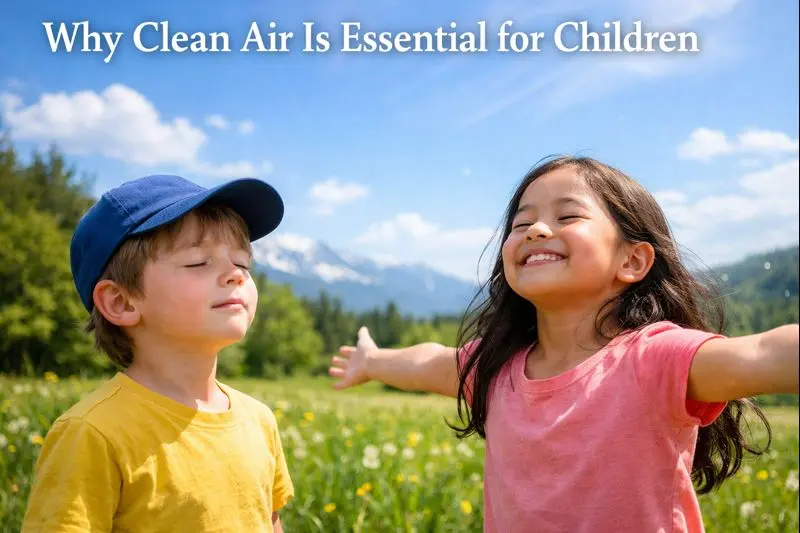
Clean air is not just a necessity; it is a fundamental right for every child. The quality of the air we breathe plays a crucial role in shaping our health and well-being, especially in the formative years of childhood. In this article, we will delve into the significance of clean air for children and explore various ways to ensure a healthy environment for their growth and development.
Why Clean Air Is Essential for Children
Children are more vulnerable to the effects of air pollution due to their developing immune systems and smaller lung capacity. Exposure to pollutants in the air can lead to respiratory issues, allergies, and even long-term health complications. By prioritizing clean air, we can safeguard our children's health and create a safer environment for them to thrive.
Moreover, clean air promotes better sleep quality, boosts cognitive function, and enhances overall well-being. As caregivers and advocates for children's health, it is our responsibility to prioritize clean air as a vital component of their growth and development.
Importance of Indoor Air Quality
The indoor air quality of our homes directly impacts children's health, as they spend a significant amount of time indoors. Pollutants from household products, smoke, and allergens can affect respiratory health and exacerbate existing conditions. To improve air circulation at home, proper ventilation, frequent cleaning, and the use of air purifiers are essential steps to enhance indoor air quality and create a healthier living space for children.
Ensuring a clean and well-ventilated home environment can significantly reduce the risk of respiratory illnesses and allergies in children. By adopting simple practices to minimize indoor pollution, we can create a safe haven where children can thrive and grow without the harmful effects of pollutants.
Benefits of Outdoor Play in Clean Environments
Promoting outdoor activities for children not only encourages physical exercise and social interaction but also reduces their exposure to indoor pollutants. Clean outdoor environments offer fresh air, natural sunlight, and open spaces for children to explore and play freely. By incorporating outdoor play into daily routines, parents can help children experience the benefits of clean air and nature's rejuvenating effects on their health.
Encouraging outdoor playtime not only fosters physical health but also enhances mental well-being and creativity in children. Creating opportunities for children to interact with nature instills a sense of environmental appreciation and promotes a healthier lifestyle that prioritizes clean air and outdoor vitality.
Role of Parents in Ensuring a Healthy Environment
Parents play a pivotal role in maintaining a healthy indoor environment for their children. Choosing non-toxic products, reducing exposure to harmful substances, and creating a safe living space are essential steps to protect children from air pollution risks. By being proactive in safeguarding indoor air quality, parents can cultivate a nurturing environment that supports children's respiratory health and overall well-being.
By advocating for cleaner air at home and making conscious choices to minimize pollutants, parents demonstrate a commitment to creating a healthier future for their children. Empowering parents with knowledge and resources to prioritize clean air sets a positive example for children and instills lifelong habits for a healthier lifestyle.
School Initiatives for Clean Air
Educational institutions play a crucial role in promoting clean air initiatives and fostering a healthy learning environment for children. Implementing air purifiers, increasing green spaces, and educating students about the importance of clean air are proactive measures that schools can undertake to enhance air quality within their premises. By prioritizing clean air in educational settings, schools contribute to the well-being and academic success of students.
Creating awareness among children about the impact of air quality on their health and academic performance encourages responsible behaviors and instills a sense of environmental stewardship. School initiatives for clean air not only benefit the current generation of students but also lay the foundation for a sustainable and healthier future for upcoming generations.
Impact of Air Quality on Children's Cognitive Development
Research studies have shown a direct correlation between clean air and children's cognitive development. Improved air quality in learning environments enhances concentration, cognitive function, and academic performance among students. By breathing clean air, children experience better brain function, increased focus, and improved memory retention, leading to enhanced learning outcomes and overall cognitive development.
Ensuring optimal air quality in educational settings is paramount to creating conducive learning environments that support children's cognitive abilities and intellectual growth. By recognizing the significance of clean air in shaping children's academic success, educators and policymakers can prioritize air quality standards that optimize learning experiences and promote cognitive flourishing.
Community Actions for Cleaner Air
Advocating for policies that reduce air pollution and protect children's health is a collective responsibility that requires community engagement and collaborative efforts. By raising awareness about the impact of air pollution on children and advocating for clean air regulations, communities can work towards creating healthier environments for future generations. Supporting initiatives that prioritize clean air underscores a commitment to safeguarding children's health and well-being.
Community actions such as planting trees, promoting clean energy initiatives, and advocating for sustainable transportation methods contribute to reducing air pollution levels and enhancing overall air quality. By uniting efforts at the community level, individuals can make a significant impact in preserving clean air for children and fostering healthier communities where every child has the opportunity to thrive.
Conclusion
Ensuring clean air for children is not just a matter of health; it is a fundamental right that shapes their present well-being and future potential. By prioritizing clean air in indoor and outdoor environments, parents, schools, and communities can create environments that support children's health, cognitive development, and overall happiness. Together, we can take proactive steps to advocate for cleaner air, educate future generations, and build a healthier world where every child breathes easy.
FAQs
Why is clean air important for children's health?
Clean air is essential for children's health as it reduces the risk of respiratory illnesses, allergies, and promotes overall well-being and cognitive function.
How can parents ensure clean air at home?
Parents can ensure clean air at home by choosing non-toxic products, improving ventilation, and using air purifiers to minimize indoor pollutants.