
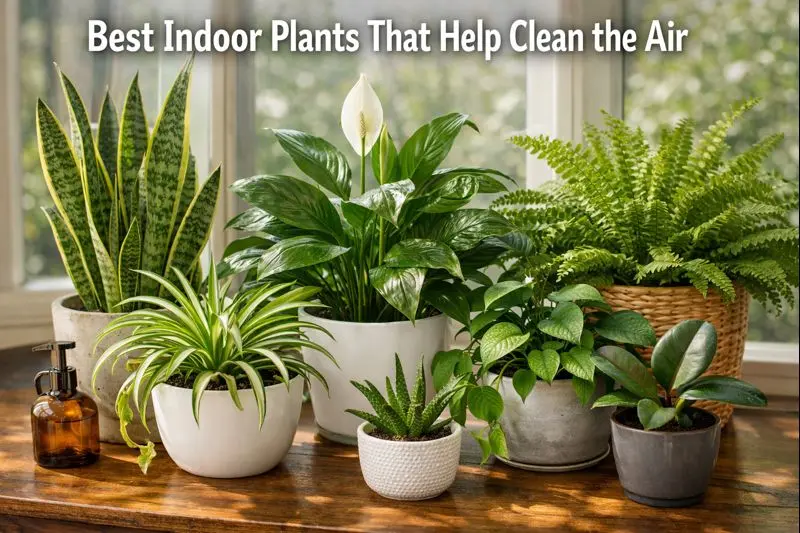
Indoor plants not only add a touch of nature to our living spaces but also play a crucial role in purifying the air we breathe. In this article, we will explore a variety of indoor plants that not only enhance the aesthetic appeal of our homes but also contribute significantly to improving indoor air quality. Let's delve into the world of these green companions and discover their benefits, care tips, and air-purifying properties.
Snake Plant
The Snake Plant, also known as Sansevieria, is a popular choice for indoor spaces due to its resilience and ability to thrive in low light conditions. Apart from its attractive appearance, the Snake Plant is renowned for its air-purifying qualities. It efficiently removes toxins such as formaldehyde and benzene from the air, making it a beneficial addition to any room.
To care for a Snake Plant, ensure it receives indirect sunlight and water it sparingly to prevent overwatering. This low-maintenance plant is perfect for beginners and seasoned plant enthusiasts alike.
By incorporating a Snake Plant into your indoor environment, you not only elevate your décor but also create a healthier atmosphere for you and your loved ones to enjoy.
Peace Lily
The Peace Lily, with its elegant white blooms and lush green leaves, is not only a visually appealing plant but also a powerful air purifier. This plant excels in removing common indoor pollutants like ammonia, formaldehyde, and benzene, enhancing the overall air quality in your home.
To ensure your Peace Lily thrives, place it in a location with indirect sunlight and keep its soil consistently moist. Regular misting can also help mimic its natural humid habitat, promoting optimal growth.
In addition to its air-purifying properties, the Peace Lily symbolizes peace, tranquility, and prosperity, making it a perfect addition to any indoor space seeking a touch of serenity.
Spider Plant
The Spider Plant is a favorite among houseplant enthusiasts for its unique foliage and air-purifying abilities. With its arching leaves adorned with tiny plantlets, the Spider Plant adds a decorative touch to any room while actively removing harmful toxins like formaldehyde and xylene from the air.
To care for a Spider Plant, provide it with bright, indirect light and water it regularly to keep the soil slightly moist. This resilient plant is known for its rapid growth and ability to thrive in various indoor conditions, making it an excellent choice for beginners.
By including a Spider Plant in your indoor garden, you not only introduce a conversation starter but also promote cleaner and fresher air within your living space.
Aloe Vera
Aloe Vera is not only a versatile plant known for its medicinal properties but also an exceptional air purifier. Beyond its uses in skincare and healing, Aloe Vera helps eliminate volatile organic compounds (VOCs) from indoor air, contributing to a healthier environment.
To care for an Aloe Vera plant, place it in a sunny location and water it deeply but infrequently to prevent root rot. The gel found in Aloe Vera leaves not only offers skincare benefits but also acts as a natural purifier, ensuring your indoor air remains crisp and clean.
Incorporate the multipurpose Aloe Vera plant into your living space to enjoy its therapeutic benefits and improve the air quality in a natural and sustainable way.
Pothos
As an urban jungle essential, the Pothos plant is revered for its trailing vines and air-purifying features. This hardy plant is effective in removing toxins like formaldehyde and carbon monoxide from indoor air, promoting a healthier and more breathable environment.
To care for a Pothos plant, place it in indirect light and water it when the top layer of soil feels dry. Its cascading vines make it a perfect candidate for hanging baskets or shelves, adding a touch of greenery to vertical spaces.
Introduce a Pothos plant into your living area to not only elevate the aesthetics of your space but also benefit from its air-purifying properties, creating a harmonious and refreshing ambiance.
Rubber Plant
The Rubber Plant, with its broad, glossy leaves, is a striking addition to any indoor setting. Besides its visual appeal, this plant serves as an efficient air purifier, targeting toxins such as formaldehyde and benzene commonly found in households.
To ensure your Rubber Plant thrives, place it in bright, indirect light and water it moderately, allowing the soil to dry out between waterings. With proper care and attention, this beautiful plant will not only thrive indoors but also actively contribute to cleaner and fresher air.
Embrace the elegance of the Rubber Plant in your home, reaping the benefits of its air-purifying capabilities while enjoying its ornamental value as a statement piece in your décor.
Boston Fern
The Boston Fern is celebrated for its feathery fronds and air-purifying qualities, making it a popular choice for indoor spaces. This plant excels in removing toxins like formaldehyde and xylene from the air, promoting a healthier environment for inhabitants.
To care for a Boston Fern, place it in indirect light and keep its soil consistently moist to maintain its preferred humidity levels. Regular misting can help replicate its natural environment and ensure robust growth and vibrant foliage.
Incorporate a Boston Fern into your indoor oasis to not only enhance the beauty of your space but also experience the benefits of its air-purifying properties, creating a serene and revitalizing atmosphere.
Areca Palm
The Areca Palm, with its graceful fronds and tropical allure, is not just a decorative plant but also a potent air purifier. This plant effectively filters out toxins like formaldehyde, xylene, and toluene, improving indoor air quality significantly.
To care for an Areca Palm, place it in a location with bright, indirect light and water it regularly to keep the soil consistently moist. Its lush foliage and air-purifying capabilities make it a standout choice for bringing a touch of the tropics into your home.
Introduce the Areca Palm into your living space to elevate the aesthetics and embrace the refreshing impact of its air-purifying benefits, transforming your home into a green sanctuary of well-being.
Dracaena
The Dracaena plant, with its striking foliage and architectural presence, is a staple in indoor decoration. Beyond its visual appeal, the Dracaena is renowned for its air-purifying properties, effectively removing toxins like formaldehyde and benzene from indoor air.
To care for a Dracaena plant, place it in indirect light and water it moderately, allowing the soil to dry out between waterings. Its versatile nature and low maintenance requirements make it an ideal choice for those seeking a stylish yet functional plant for their indoor spaces.
Embrace the elegance of a Dracaena plant in your home, enhancing the aesthetics of your living space while enjoying the benefits of improved indoor air quality, creating a harmonious and inviting ambiance.
Bamboo Palm
The Bamboo Palm, with its slender stems and graceful fronds, is a symbol of tranquility and elegance in indoor environments. This plant not only exudes a calming presence but also acts as a proficient air purifier, effectively filtering toxins like formaldehyde and benzene from the air.
To nurture a Bamboo Palm, place it in a spot with bright, indirect light and water it consistently to keep the soil evenly moist. Its slender form and air-purifying capabilities make it an excellent choice for enhancing the ambiance of any room with a touch of nature.
Invite the serene beauty of a Bamboo Palm into your living space to enjoy its calming influence and experience the positive impact of its air-purifying qualities, creating a peaceful sanctuary within your home.
English Ivy
Known for its classic appeal and cascading vines, English Ivy is a traditional yet efficient plant for indoor settings. Apart from its ornamental value, English Ivy excels in purifying indoor air by targeting toxins like formaldehyde, benzene, and mold spores.
To care for an English Ivy plant, place it in bright, indirect light and water it moderately, allowing the soil to dry out slightly between waterings. Its trailing vines make it a versatile plant for hanging baskets or climbing structures, adding a touch of timeless elegance to any room.
Incorporate the charm of English Ivy into your indoor décor to not only evoke a sense of nostalgia but also benefit from its air-purifying qualities, creating a fresh and inviting atmosphere within your living space.
Parlor Palm
The Parlor Palm, with its elegant fronds and easy-going nature, is a beloved choice for low-maintenance indoor greenery. This plant not only enhances the visual appeal of your home but also contributes to purifying indoor air by filtering out common toxins like formaldehyde and xylene.
To care for a Parlor Palm, place it in indirect light and water it regularly to keep the soil consistently moist. Its compact size and adaptability make it an ideal plant for smaller spaces, adding a touch of greenery and warmth to any corner of your home.
Embrace the simplicity and beauty of a Parlor Palm in your living space to enjoy its effortless elegance and experience the positive impact of its air-purifying qualities, creating a serene and refreshing environment for relaxation and rejuvenation.
Conclusion
In conclusion, incorporating indoor plants into your living environment not only enhances the aesthetic appeal of your home but also plays a significant role in improving indoor air quality. From the resilient Snake Plant to the elegant Parlor Palm, each of these plants brings a unique charm and functionality to indoor spaces, transforming them into green sanctuaries of well-being and vitality. By nurturing these green companions with care and appreciation, you not only create a harmonious living environment but also promote a healthier and happier lifestyle.
FAQs
How often should I water my indoor plants?
The watering frequency may vary depending on the plant type and environmental conditions. It's essential to check the soil moisture levels regularly and water your plants when the top inch of soil feels dry.
What are some common indoor plant pests to watch out for?
Common indoor plant pests include spider mites, mealybugs, aphids, fungus gnats, and scale insects. Regular inspection of your plants and prompt treatment can help mitigate pest issues effectively.
Can indoor plants improve my overall well-being?
Yes, indoor plants not only enhance the visual appeal of indoor spaces but also have proven health benefits such as reducing stress, increasing productivity, and improving air quality, contributing to overall well-being and a sense of tranquility.