
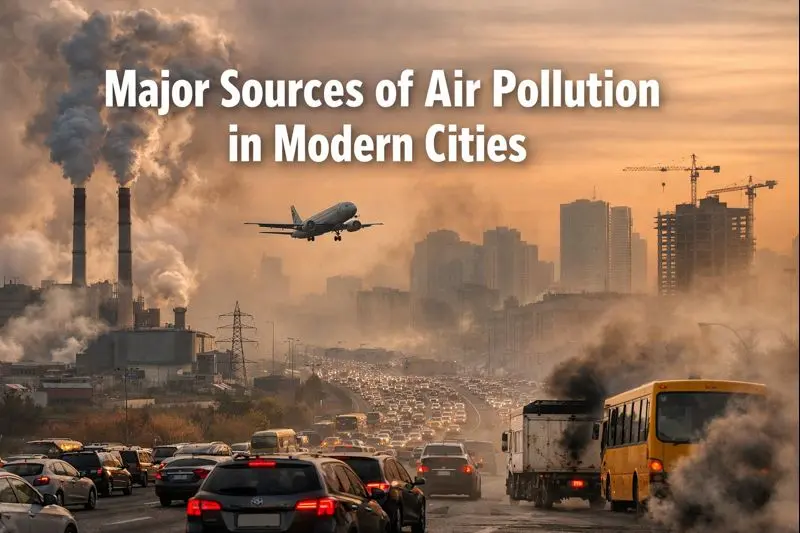
Modern cities face significant challenges due to air pollution, with various sources contributing to the deterioration of urban air quality. Understanding these sources is crucial in developing effective strategies to combat pollution and protect public health.
Major Sources of Air Pollution in Modern Cities
Industrial emissions: Factories, power plants, and manufacturing activities play a substantial role in urban air pollution. The release of pollutants such as sulfur dioxide, nitrogen oxides, and particulate matter from industrial processes contributes to smog formation and health hazards for city residents.
Vehicle exhaust: Cars, trucks, and other transportation modes are major contributors to air pollution in cities. The combustion of fossil fuels in vehicle engines releases pollutants like carbon monoxide, hydrocarbons, and nitrogen oxides, leading to respiratory problems and environmental damage.
Construction and road dust: Building sites and unpaved roads generate dust particles that become airborne, adding to the fine particulate matter in urban air. Construction activities and road traffic disturb settled dust, exacerbating pollution levels and posing risks to human health.
Residential Heating
Homes using fossil fuels for heating systems contribute to urban air pollution through the release of pollutants like carbon monoxide and sulfur dioxide. Improperly maintained heating systems can emit harmful gases and particulates, impacting indoor and outdoor air quality.
Commercial activities, including restaurants, shops, and hotels, also influence urban air quality. Emissions from cooking, heating, and waste disposal in commercial establishments add to the overall pollution burden in cities, affecting both air quality and public health.
Waste Disposal
Improper garbage management practices can have detrimental effects on urban air quality. Open burning of waste, landfill emissions, and inadequate waste treatment facilities release pollutants into the air, contributing to pollution levels and creating health risks for communities living nearby.
In conclusion, addressing air pollution in modern cities requires a multifaceted approach that targets the major sources of pollutants. By implementing sustainable practices, promoting cleaner technologies, and raising public awareness, we can strive towards cleaner and healthier urban environments for current and future generations.
FAQs
How does air pollution impact human health?
Air pollution can lead to respiratory diseases, cardiovascular problems, and even neurological effects in humans. Long-term exposure to pollutants in the air has been linked to a range of health issues, making it essential to reduce pollution levels for public well-being.
What can individuals do to reduce their contribution to urban air pollution?
Individuals can take steps such as using public transportation, carpooling, reducing energy consumption, and properly disposing of waste to minimize their impact on urban air quality. Small lifestyle changes can collectively make a significant difference in reducing pollution levels in cities.