
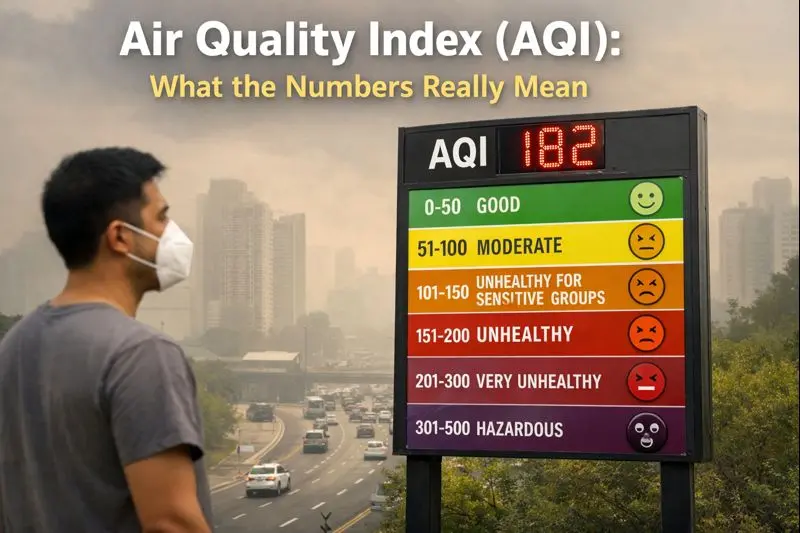
In this article, we will delve into the crucial topic of air quality and the Air Quality Index (AQI), exploring what the numbers really signify. We will also discuss the interpretation of AQI values, the factors influencing AQI readings, the effects of poor air quality on health, ways to improve air quality, global perspectives on air quality management, and finally, conclude with key insights on this pressing environmental issue.
Air Quality Index (AQI): What the Numbers Really Mean
The Air Quality Index (AQI) is a measurement used to gauge the quality of the air in a specific location at a particular time. It provides a numerical value which represents the overall air quality and indicates the level of pollution in the air. The AQI typically ranges from 0 to 500, with lower values indicating cleaner air and higher values signaling poorer air quality. Understanding these numbers is essential in assessing the potential health risks associated with breathing the air in that environment.
Each AQI category corresponds to a different level of health concern, ranging from 'Good' (0-50) to 'Hazardous' (301-500). By comprehending the significance of these numbers, individuals can make informed decisions regarding outdoor activities and take necessary precautions to safeguard their health.
Interpretation of AQI values: Understanding the Different Categories and Their Implications for Health
Interpreting AQI values involves categorizing them into distinct ranges that convey varying degrees of health risks. For instance, AQI values falling within the 'Moderate' range (51-100) may pose mild health concerns for sensitive groups, while values in the 'Unhealthy' range (151-200) can have more significant health impacts on the general population.
It's crucial to grasp the implications of each AQI category to protect oneself from potential health hazards such as respiratory issues, cardiovascular problems, and other adverse effects linked to poor air quality. By understanding these categories, individuals can proactively take measures to minimize exposure to harmful pollutants in the air.
Factors Influencing AQI Readings: Sources of Pollution and Meteorological Conditions Affecting Air Quality
Several factors contribute to the fluctuations in AQI readings, including both human-made sources of pollution such as vehicle emissions, industrial activities, and natural sources like wildfires. Additionally, meteorological conditions like temperature inversions and wind patterns play a vital role in dispersing or trapping pollutants in the air, impacting the overall air quality in a given area.
By identifying and addressing these sources of pollution and understanding how meteorological conditions influence air quality, policymakers and individuals can implement effective strategies to combat pollution and enhance the air quality index for healthier living environments.
Effects of Poor Air Quality on Health: Respiratory Problems, Allergies, and Long-Term Consequences
Poor air quality has detrimental effects on human health, leading to a myriad of respiratory problems such as aggravated asthma, bronchitis, and increased susceptibility to respiratory infections. Prolonged exposure to pollutants in the air can also exacerbate allergies, trigger cardiovascular issues, and have long-term consequences on overall health and well-being.
It's imperative to recognize the serious health implications of breathing polluted air and take proactive steps to mitigate these risks through individual actions, community initiatives, and policy interventions aimed at reducing pollution levels and safeguarding public health.
Improving Air Quality: Individual Actions and Policies to Reduce Pollution Levels
Improving air quality requires a collective effort encompassing individual actions and broader policy measures. Simple steps such as reducing car emissions, conserving energy, promoting sustainable practices, and planting trees can positively impact air quality. Moreover, the implementation of stringent environmental regulations, investments in clean technology, and public awareness campaigns are essential for reducing pollution levels and enhancing overall air quality.
By fostering a culture of environmental responsibility and advocating for sustainable practices, communities can work towards creating cleaner and healthier environments for current and future generations to thrive in.
Global Perspectives on Air Quality Management: International Efforts to Monitor and Enhance Air Quality Standards
Air quality management is a global issue that necessitates collaborative efforts across nations to monitor, regulate, and improve air quality standards. International organizations, governments, and environmental agencies work in tandem to establish air quality guidelines, conduct research on air pollution trends, and implement measures to mitigate emissions and combat climate change.
Through international agreements, technological innovations, and knowledge-sharing initiatives, the global community strives to address the complex challenges posed by air pollution and advance towards a sustainable future with cleaner air and healthier ecosystems.
In conclusion, maintaining good air quality is paramount for ensuring public health, environmental sustainability, and quality of life. By understanding the Air Quality Index, its implications for health, and the factors influencing air quality, individuals and societies can take proactive steps to reduce pollution, mitigate health risks, and foster a cleaner and safer living environment for all.
FAQs
What is the Air Quality Index?
The Air Quality Index (AQI) is a numerical scale used to communicate the quality of the air in a specific location, indicating the level of pollution and associated health risks.
How does poor air quality affect health?
Poor air quality can lead to various health issues, including respiratory problems, allergies, cardiovascular complications, and long-term health consequences.
What can individuals do to improve air quality?
Individuals can contribute to improving air quality by reducing emissions, conserving energy, supporting green initiatives, and advocating for policies that prioritize environmental health.