
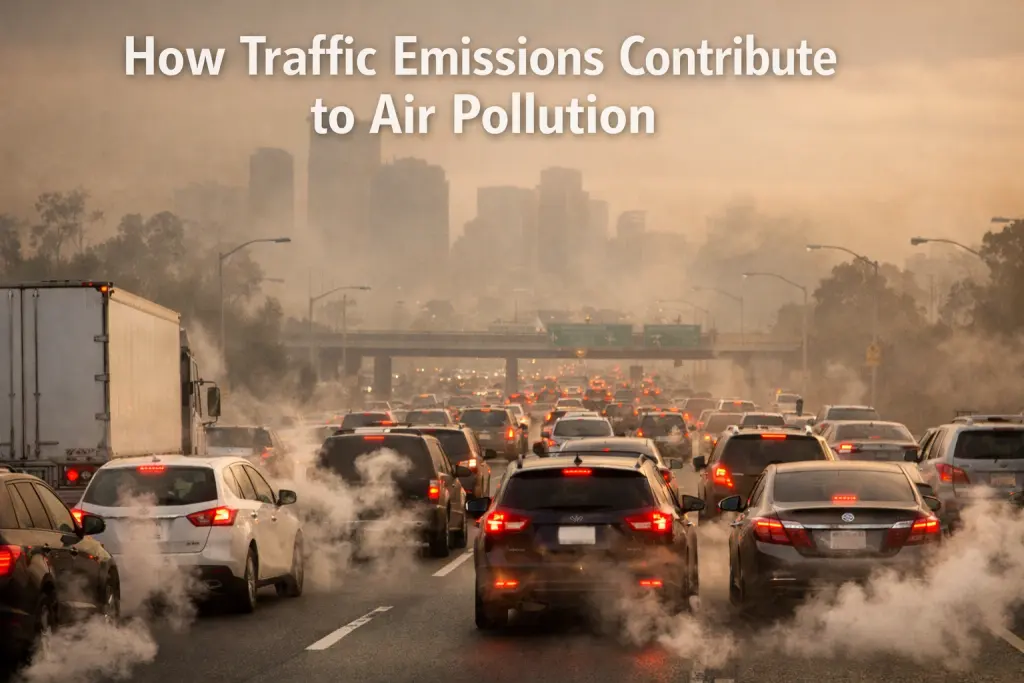
Traffic emissions are a significant contributor to air pollution, impacting the quality of the air we breathe and posing serious health and environmental risks. In this article, we will delve into the various aspects related to how traffic emissions affect our environment, health, and overall well-being.
From discussing the health impacts of air pollution to exploring innovative solutions in sustainable transportation, we will address the different facets of this pressing issue and highlight the importance of taking action to reduce traffic emissions for a cleaner and healthier future.
How Traffic Emissions Contribute to Air Pollution
The combustion of fossil fuels in vehicles releases pollutants such as carbon monoxide, nitrogen oxides, and particulate matter into the atmosphere, contributing significantly to air pollution. These emissions not only degrade air quality but also lead to the formation of harmful pollutants like ground-level ozone and fine particles that can have detrimental effects on human health and the environment.
As the number of vehicles on the road continues to increase globally, the impact of traffic emissions on air pollution becomes more pronounced, highlighting the urgent need for effective measures to curb these emissions and mitigate their harmful effects.
Health Impacts of Air Pollution
Air pollution resulting from traffic emissions is linked to a range of health issues, including respiratory diseases such as asthma and chronic obstructive pulmonary disease (COPD), cardiovascular problems like heart attacks and strokes, and long-term consequences such as reduced lung function and increased risk of mortality. Vulnerable populations, such as children, the elderly, and individuals with pre-existing health conditions, are particularly at risk from the adverse health effects of polluted air.
Addressing the sources of traffic pollution and implementing measures to reduce emissions are crucial steps in safeguarding public health and improving the overall quality of the air we breathe in our communities.
Ways to Reduce Car Emissions
Transitioning to electric vehicles, enhancing public transportation infrastructure, and promoting biking as a sustainable mode of transport are key strategies to reduce car emissions and mitigate the impact of traffic pollution. Electric vehicles offer a cleaner alternative to traditional gasoline-powered cars, while investing in public transportation and biking infrastructure can help reduce the reliance on individual car ownership and promote eco-friendly travel options.
By embracing these sustainable transportation solutions, individuals and communities can play a vital role in reducing their carbon footprint, improving air quality, and fostering a more environmentally friendly and sustainable urban mobility system.
Government Initiatives to Tackle Traffic Pollution
Governments worldwide are implementing various initiatives to address traffic pollution, including setting emission standards for vehicles, conducting regular vehicle inspections to ensure compliance with environmental regulations, and imposing congestion charges to reduce traffic congestion and encourage the use of public transport.
These proactive measures aim to control and reduce the adverse effects of traffic emissions on air quality, public health, and the environment, demonstrating a commitment to sustainable mobility and cleaner air for present and future generations.
Environmental Effects of Traffic Emissions
The environmental impacts of traffic emissions extend beyond local air pollution, with global repercussions such as contributing to global warming through the release of greenhouse gases, causing acid rain formation from nitrogen oxides and sulfur dioxide emissions, and harming ecosystems through the deposition of pollutants on land and water bodies.
Recognizing the interconnectedness of environmental issues and the role of traffic emissions in exacerbating these challenges underscores the need for comprehensive strategies and collective action to mitigate the environmental effects of transportation activities.
Innovations in Sustainable Transportation
Advances in sustainable transportation technologies, such as hydrogen fuel cells, biofuels derived from renewable sources, and urban planning strategies focused on promoting walkability and transit-oriented development, offer promising solutions to reduce traffic emissions and foster greener and more efficient transport systems.
Embracing these innovations and integrating them into urban planning and policy frameworks can pave the way for a more sustainable and resilient transportation sector that prioritizes environmental protection, energy efficiency, and enhanced quality of life for communities around the world.
Community Activism for Cleaner Air
Community activism plays a crucial role in advocating for cleaner air and raising awareness about the detrimental impacts of traffic pollution on public health and the environment. Through grassroots campaigns, peaceful protests, and citizen science projects, individuals and communities can mobilize for change, push for policy reforms, and hold decision-makers accountable for addressing air quality concerns.
By coming together to demand cleaner air and sustainable transportation solutions, community activists can drive positive change, inspire collective action, and foster a sense of environmental stewardship that benefits both present and future generations.
Conclusion
In conclusion, addressing traffic emissions and the associated air pollution is essential for safeguarding public health, protecting the environment, and ensuring a sustainable future for all. By implementing measures to reduce car emissions, promoting sustainable transportation alternatives, and advocating for cleaner air through community activism and government initiatives, we can work towards creating a healthier and more livable planet for everyone.
FAQs
What are some common health problems caused by air pollution?
Air pollution can lead to respiratory issues like asthma and bronchitis, cardiovascular problems such as heart disease and stroke, and long-term complications like reduced lung function and premature death.
How can individuals contribute to reducing traffic emissions?
Individuals can reduce their carbon footprint by opting for eco-friendly transportation modes like biking, using public transit, carpooling, or switching to electric vehicles whenever possible.