
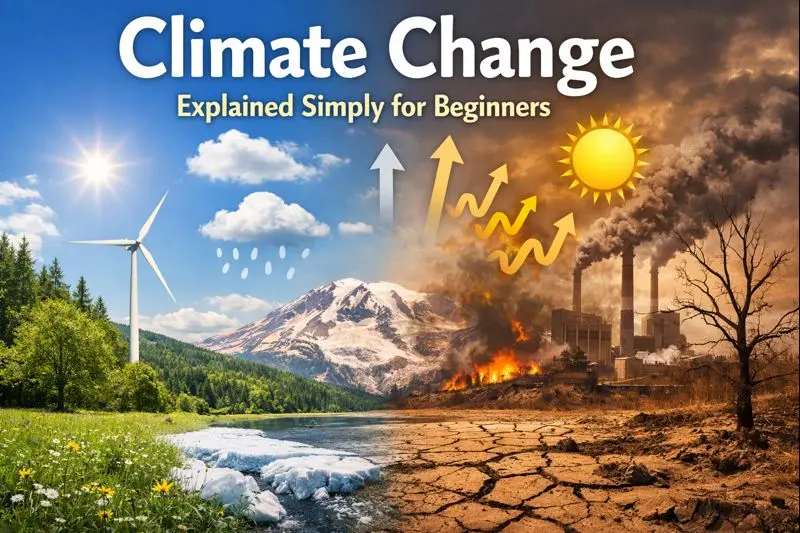
Welcome to an exploration of climate change simplified for beginners. We will delve into the causes, impacts, mitigation strategies, communication efforts, and future trends surrounding this critical issue. Let's break down the complex topic of climate change in a conversational and friendly manner.
Causes of Climate Change: Understanding the Role of Human Activities and Natural Factors
Climate change is driven by a combination of human activities and natural factors. The burning of fossil fuels, deforestation, and industrial processes release greenhouse gases into the atmosphere, trapping heat and leading to global warming. Additionally, natural factors such as volcanic eruptions and solar radiation also play a role in altering the Earth's climate over time. It is crucial to recognize and address both human-induced and natural causes to effectively combat climate change.
By understanding the intricate interplay between human actions and natural processes, we can develop targeted solutions to mitigate the impacts of climate change. From reducing carbon emissions to preserving natural ecosystems, each action we take can make a difference in safeguarding the planet for future generations.
Impact on Ecosystems: How Global Warming Affects Biodiversity and Habitats
The consequences of climate change on ecosystems are profound, affecting biodiversity and habitats worldwide. Rising temperatures disrupt delicate ecosystems, causing shifts in species distributions, habitat loss, and increased extinction risks. Coral reefs, polar regions, and tropical rainforests are among the most vulnerable ecosystems facing unprecedented threats due to global warming.
It is essential to recognize the interconnectedness of all living beings and ecosystems on Earth. Preserving biodiversity and protecting habitats are crucial components of addressing climate change and ensuring a sustainable future for all life forms. By taking proactive measures to conserve natural resources and reduce our ecological footprint, we can help mitigate the adverse impacts of climate change on ecosystems.
Climate Change Effects on Weather Patterns: Floods, Droughts, Hurricanes, and Other Extreme Events
The repercussions of climate change are evident in the increasing frequency and severity of extreme weather events. From devastating floods and prolonged droughts to powerful hurricanes and heatwaves, communities worldwide are facing heightened risks due to shifting weather patterns. These extreme events not only pose immediate threats to human lives and infrastructure but also have long-term implications for societal stability and economic well-being.
Adapting to the changing climate requires proactive measures to enhance resilience and preparedness at individual, community, and governmental levels. By integrating climate adaptation strategies into urban planning, agriculture, and disaster response mechanisms, we can better withstand the impacts of extreme weather events and build a more climate-resilient future.
Mitigation Strategies: Ways to Reduce Greenhouse Gas Emissions and Adapt to Climate Change
Efforts to mitigate climate change involve a dual approach of reducing greenhouse gas emissions and implementing adaptation strategies. Transitioning to renewable energy sources, enhancing energy efficiency, and promoting sustainable practices are key steps in lowering our carbon footprint and mitigating the impacts of global warming. Furthermore, investing in climate-resilient infrastructure and fostering innovation in clean technologies are essential components of climate change mitigation.
Individual actions, such as reducing waste, conserving energy, and advocating for policy changes, collectively contribute to a more sustainable and environmentally conscious society. By embracing a culture of sustainability and adopting eco-friendly habits, we can actively participate in mitigating climate change and shaping a greener future for all.
Climate Change Communication: Importance of Spreading Awareness and Promoting Sustainable Behaviors
Effective communication plays a crucial role in raising awareness about climate change and inspiring positive action. By educating individuals, communities, and policymakers about the urgency of climate action, we can foster a collective commitment to sustainable practices and environmental stewardship. Encouraging dialogue, sharing reliable information, and amplifying climate change narratives are vital aspects of climate communication efforts.
Engaging diverse audiences through various channels, such as social media, education initiatives, and community events, can broaden the reach of climate messages and empower individuals to make informed choices. By harnessing the power of communication to drive meaningful change, we can catalyze a global movement towards a more sustainable and resilient future.
Future Trends: Projections for Climate Change Impacts and Solutions
Looking ahead, the future trajectory of climate change necessitates proactive measures to address ongoing challenges and uncertainties. Climate models indicate a range of potential scenarios, from intensified warming trends to complex interactions between different climatic variables. Anticipating these future trends enables us to develop adaptive strategies, innovative solutions, and collaborative partnerships to navigate the complexities of a changing climate.
Embracing a forward-thinking approach that prioritizes sustainability, equity, and environmental integrity is essential for shaping a resilient future amidst climate uncertainties. By harnessing scientific knowledge, leveraging technological advancements, and fostering international cooperation, we can work towards sustainable solutions that mitigate climate risks and ensure a safe and thriving planet for generations to come.
In conclusion, climate change presents a multifaceted challenge that requires collective action, innovation, and perseverance to address effectively. By understanding the causes, impacts, and mitigation strategies associated with climate change, we can actively contribute to building a more sustainable and resilient world. Let us commit to promoting climate awareness, adopting sustainable behaviors, and advocating for transformative changes that safeguard the planet and its inhabitants.
FAQs
What are the main causes of climate change?
Climate change is primarily caused by human activities such as burning fossil fuels, deforestation, and industrial processes that release greenhouse gases into the atmosphere. Natural factors, including volcanic eruptions and solar radiation, also influence the Earth's climate.
How does climate change impact ecosystems?
Climate change disrupts ecosystems by altering biodiversity, habitats, and species distributions. Rising temperatures can lead to habitat loss, extinction risks, and ecological imbalances, posing significant threats to global ecosystems and wildlife.
What can individuals do to mitigate climate change?
Individuals can contribute to climate change mitigation efforts by reducing their carbon footprint, conserving energy, promoting sustainable practices, and advocating for policy changes that prioritize environmental protection and conservation.