
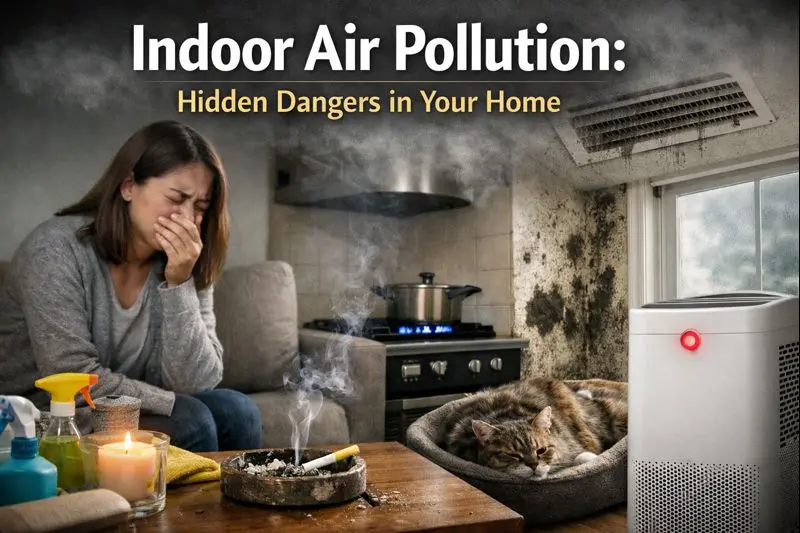
Indoor Air Pollution: Hidden Dangers in Your Home
Indoor air pollution is a pressing issue that often goes unnoticed but can have severe consequences on our health and well-being. In this article, we will delve into the risks associated with indoor air contaminants, the sources of pollutants, and their impact on our health. Furthermore, we will explore ventilation solutions, common indoor pollutants, health effects of poor indoor air quality, the benefits of indoor plants for air purification, and practical tips for reducing indoor pollution.
Risks of Indoor Air Contaminants
Understanding indoor pollutants is crucial in mitigating their harmful effects. Common sources of indoor air contaminants include mold, tobacco smoke, volatile organic compounds (VOCs) from household products, and dust mites. Prolonged exposure to these pollutants can lead to respiratory issues, allergies, and other health problems.
Indoor air contaminants can have both immediate and long-term health impacts. Short-term effects may include headaches, dizziness, and irritation of the eyes, nose, and throat. On the other hand, long-term exposure to indoor pollutants has been linked to respiratory diseases, cardiovascular issues, and even cancer.
To combat the risks posed by indoor air contaminants, proper ventilation and air filtration systems are essential. By improving ventilation and ensuring adequate air circulation, the concentration of pollutants indoors can be reduced, thus safeguarding the health of occupants.
Ventilation Solutions
Effective ventilation strategies are key to enhancing indoor air quality and reducing the concentration of harmful pollutants. Simple measures such as opening windows regularly, using exhaust fans in kitchens and bathrooms, and investing in air purifiers can significantly improve the air we breathe indoors.
Cross-ventilation, where fresh air is allowed to flow through different areas of the home, helps in diluting indoor pollutants and maintaining a healthy indoor environment. Moreover, proper maintenance of HVAC systems and regular cleaning of filters are vital in ensuring optimal air quality.
By implementing these ventilation solutions, households can create a healthier living space and minimize the potential health risks associated with poor indoor air quality.
Common Indoor Pollutants
Identifying and addressing common indoor pollutants is essential for creating a clean and healthy indoor environment. Allergens such as dust mites, pet dander, and pollen can trigger allergic reactions and respiratory issues in susceptible individuals.
Toxins present in household products, including cleaning agents, pesticides, and synthetic fragrances, contribute to indoor air pollution. Moreover, VOCs emitted by paints, varnishes, and furniture can have detrimental effects on indoor air quality and human health.
Reducing exposure to these common indoor pollutants involves adopting eco-friendly cleaning products, keeping indoor spaces well-ventilated, and regularly dusting and vacuuming to eliminate allergens and toxins. By taking proactive measures, households can create a safer and healthier living environment for all occupants.
Health Effects of Poor Indoor Air Quality
The health implications of poor indoor air quality are wide-ranging and can affect individuals of all ages. Children, the elderly, and individuals with pre-existing respiratory conditions are particularly vulnerable to the adverse effects of indoor air contaminants.
Respiratory issues such as asthma, bronchitis, and allergies are commonly associated with exposure to indoor pollutants. Furthermore, poor indoor air quality has been linked to more serious conditions such as cardiovascular diseases, neurobehavioral disorders, and compromised immune function.
Long-term exposure to indoor pollutants can have lasting impacts on overall well-being, emphasizing the importance of maintaining good indoor air quality through proper ventilation, regular cleaning, and the use of air-purifying plants.
Indoor Plants for Air Purification
Selecting the right houseplants can not only enhance the aesthetic appeal of your home but also improve indoor air quality. Certain plant species, such as aloe vera, spider plant, and peace lily, have natural air-purifying properties that help remove toxins and pollutants from the air.
Plants absorb harmful gases through their leaves and roots, converting them into oxygen through photosynthesis. This natural process not only freshens the air but also reduces the levels of indoor pollutants, promoting a healthier living environment.
Regularly caring for indoor plants, including watering, pruning, and ensuring adequate sunlight, can maximize their air-purifying benefits. By incorporating indoor plants into your home decor, you can effectively complement other ventilation strategies and enhance the overall air quality.
Tips for Reducing Indoor Pollution
Creating a pollution-free indoor environment requires a multi-faceted approach that combines ventilation solutions with everyday practices that reduce indoor pollutants. Simple steps such as avoiding smoking indoors, using natural cleaning products, and maintaining optimal humidity levels can significantly improve indoor air quality.
Regularly cleaning and dusting surfaces, minimizing clutter, and eliminating sources of moisture and mold growth are crucial in reducing indoor pollution. Additionally, ensuring proper ventilation in kitchens and bathrooms, as well as investing in high-quality air filters, can further enhance the air quality within your home.
By being mindful of indoor pollutants and taking proactive measures to mitigate their impact, households can create a healthier living environment for themselves and their families. Small changes in daily habits can lead to significant improvements in indoor air quality and overall well-being.
Indoor air pollution poses hidden dangers that can have profound effects on our health. By understanding the risks associated with indoor pollutants, implementing effective ventilation solutions, and making conscious choices to reduce exposure to common indoor contaminants, we can create a healthier and more sustainable living environment for ourselves and future generations.
FAQs
What are the common sources of indoor air pollutants?
Indoor air pollutants can originate from various sources, including household cleaning products, tobacco smoke, mold, pet dander, and volatile organic compounds (VOCs) released by furniture and building materials.
How can indoor plants help improve indoor air quality?
Indoor plants have the natural ability to absorb harmful gases and toxins from the air, acting as natural air purifiers. Certain plant species are particularly effective in removing pollutants and enhancing indoor air quality.
What are some practical tips for reducing indoor pollution?
To minimize indoor pollution, it is advisable to maintain good ventilation, use eco-friendly cleaning products, regularly clean and dust indoor surfaces, and invest in air purifiers or air-filtering plants.