
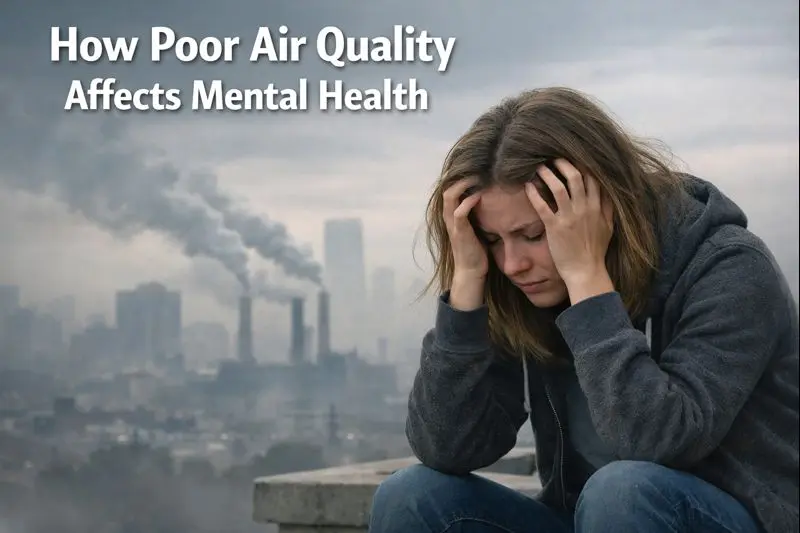
In today's fast-paced world, the issue of air pollution has become a growing concern affecting not only our physical health but also our mental well-being. This article delves into the significant impact of poor air quality on mental health, shedding light on how pollution can affect cognitive function, exacerbate anxiety levels, and even worsen existing mental health disorders.
How Poor Air Quality Affects Mental Health
Poor air quality has been directly linked to various adverse effects on mental health, beyond its obvious physical implications. Studies have shown that exposure to pollution can lead to decreased cognitive function, affecting memory retention, concentration levels, and decision-making skills.

(Image: Pixabay/@Alan_Frijns)
Furthermore, polluted air can significantly increase anxiety and stress levels in individuals, making them more susceptible to mental health conditions. The toxic particles present in the air can trigger a stress response in the body, further compounding existing psychological issues.
Decreased Cognitive Function
The impact of pollution on cognitive function is profound, especially in older adults. Research has indicated a direct correlation between poor air quality and cognitive decline in seniors, highlighting the urgent need for cleaner environments to protect the mental well-being of the elderly.

(Image: Pixabay/@JerzyGórecki)
Moreover, children are also highly vulnerable to the effects of pollution on brain development and academic performance. The presence of pollutants in the air can hamper their cognitive abilities, leading to potential long-term consequences on their educational achievements.
Strategies to Protect Mental Well-being
Despite the challenges posed by high levels of pollution in urban areas, there are strategies that individuals can adopt to safeguard their mental well-being. These include regular exercise to combat stress, incorporating indoor plants to improve air quality, and using air purifiers to minimize exposure to harmful pollutants.
It is evident that poor air quality poses a significant threat to mental health, affecting individuals of all ages. By raising awareness about the detrimental effects of pollution on cognitive function, anxiety levels, and existing mental health disorders, we can work towards creating healthier environments conducive to overall well-being.
FAQs
How does air pollution impact mental health?
Air pollution can lead to decreased cognitive function, increased anxiety levels, and worsen existing mental health conditions due to the presence of toxic particles in the air.
What can be done to mitigate the effects of poor air quality on mental well-being?
Individuals can take steps such as exercising regularly, improving indoor air quality, and using air purifiers to protect their mental health in cities with high levels of pollution.