
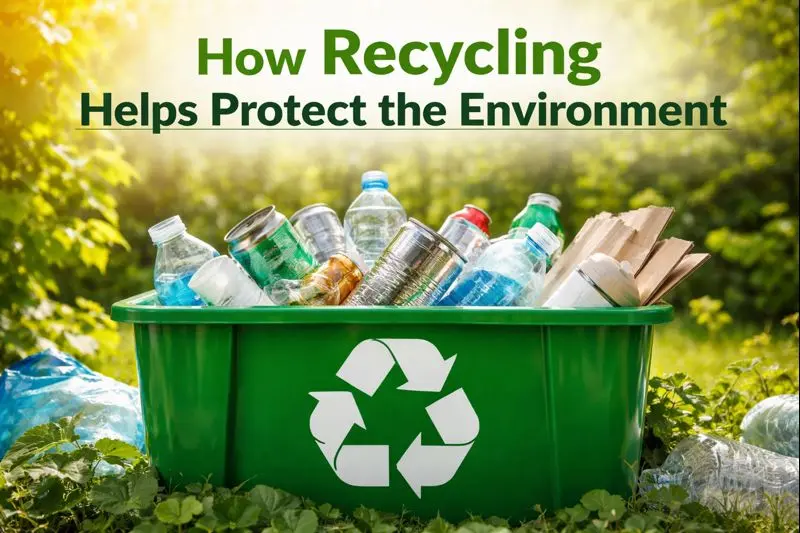
Recycling plays a crucial role in environmental sustainability by reducing waste, conserving natural resources, and minimizing pollution. In this article, we will delve into how recycling positively impacts the environment through the reduction of waste, energy conservation, prevention of pollution, economic advantages, and community engagement.
Reduction of Waste: How Recycling Decreases Landfill Usage and Conserves Natural Resources
One of the primary benefits of recycling is the significant reduction in the amount of waste that ends up in landfills. By reusing materials such as paper, plastic, glass, and metal, we can divert tons of waste from overcrowded landfills, ultimately decreasing environmental strain. Additionally, recycling helps conserve natural resources like trees, water, and minerals by reducing the need for raw material extraction.
Moreover, using recycled materials in the production process requires less energy compared to manufacturing new products from scratch. This energy-saving aspect of recycling further contributes to the overall reduction of greenhouse gas emissions, promoting a healthier ecosystem.
The cycle of recycling not only minimizes landfill usage but also fosters a more sustainable approach to resource management, aligning with the principles of a circular economy.
Energy Conservation: The Environmental Benefits of Producing New Products from Recycled Materials

Creating new products from recycled materials significantly lowers energy consumption in manufacturing processes. For instance, producing paper from recycled pulp consumes less energy and water compared to virgin paper production, leading to lower carbon footprints and decreased ecological impact.
Furthermore, using recycled materials in manufacturing reduces the dependency on finite resources, consequently mitigating environmental degradation associated with mining and extraction activities. By conserving energy and resources, recycling plays a pivotal role in promoting sustainable practices and combating climate change.
The adoption of recycled materials in various industries accelerates the transition towards a greener and more resource-efficient economy, fostering innovation and environmental stewardship.
Prevention of Pollution: The Role of Recycling in Reducing Greenhouse Gas Emissions and Harmful Chemicals
Recycling serves as a vital mechanism for curbing pollution by reducing greenhouse gas emissions and limiting the release of harmful chemicals into the environment. By diverting waste from incineration and landfills, recycling minimizes the generation of harmful pollutants that contribute to air, soil, and water contamination.
Additionally, the production of new goods from recycled materials emits fewer greenhouse gases compared to conventional manufacturing processes. This reduction in emissions helps mitigate climate change effects and fosters environmental preservation for future generations.
Through recycling initiatives and waste management strategies, communities can actively participate in pollution prevention efforts, creating cleaner and healthier living environments for all inhabitants.
Economic Advantages: How Recycling Contributes to Job Creation and Promotes Sustainable Development
Recycling not only benefits the environment but also fuels economic growth through job creation and sustainable development. The recycling industry offers employment opportunities in collection, sorting, processing, and remanufacturing sectors, contributing to overall job market expansion.
Moreover, the market demand for recycled materials drives innovation and entrepreneurship, leading to the development of green technologies and eco-friendly solutions. By establishing a circular economy model, recycling fosters self-sufficiency in resource management and reduces dependence on imported raw materials.
Investing in recycling infrastructure and promoting eco-conscious consumer behaviors can stimulate economic prosperity while advancing environmental goals, creating a harmonious balance between profitability and planet preservation.
Community Engagement: The Importance of Education and Participation in Recycling Initiatives
Community engagement plays a pivotal role in successful recycling programs by fostering awareness, education, and active participation among individuals. Educating communities about the environmental benefits of recycling empowers citizens to make informed choices and adopt sustainable behaviors in their daily lives.
Participation in recycling initiatives, such as household recycling programs and community clean-up events, cultivates a sense of environmental responsibility and collective action towards preserving natural resources. Engaging with local authorities and environmental organizations enhances collaboration and promotes a culture of environmental stewardship.
By encouraging community engagement in recycling practices, societies can create a ripple effect of positive change, inspiring others to embrace sustainability and work towards a greener future for generations to come.
Recycling stands as a cornerstone of environmental conservation, offering multifaceted benefits that extend beyond waste reduction. By embracing recycling as a lifestyle choice and advocating for sustainable resource management, individuals, businesses, and communities can collectively contribute to a healthier planet and a more prosperous future.
FAQs
How does recycling help reduce pollution?
Recycling reduces pollution by minimizing the need for incineration and landfills, which emit harmful pollutants into the atmosphere. By reusing materials, recycling conserves energy and decreases greenhouse gas emissions, leading to a cleaner environment.
What economic advantages are associated with recycling?
Recycling promotes job creation in the recycling industry and stimulates sustainable development. By fostering innovation and entrepreneurship, recycling contributes to economic growth while reducing reliance on finite resources and imported raw materials.
How can communities actively engage in recycling initiatives?
Communities can engage in recycling initiatives by participating in local recycling programs, educating residents about the benefits of recycling, and organizing clean-up events. Collaboration with environmental organizations and government entities enhances community involvement in sustainability efforts.