
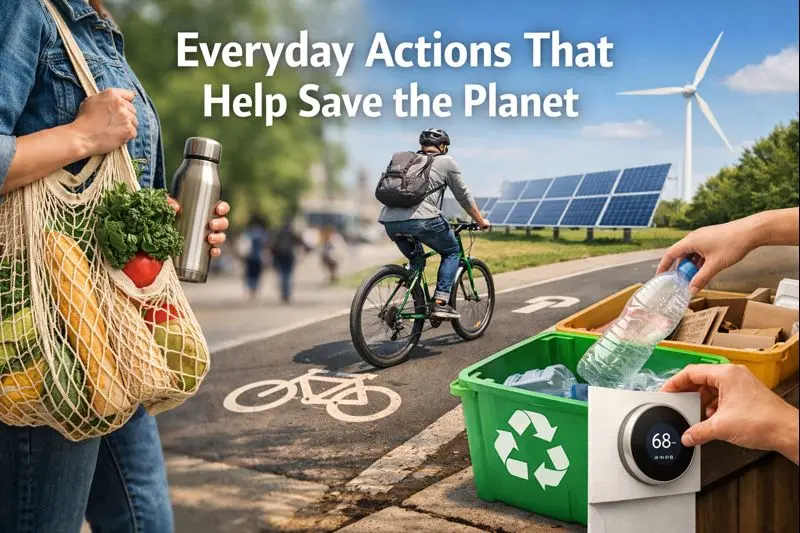
In today's rapidly changing world, it is becoming increasingly crucial for individuals to take responsibility for their environmental impact. This article will delve into various everyday actions that can help save the planet from pollution. From recycling habits to energy conservation tips, each topic covered provides practical insights on how we can contribute to a cleaner and greener planet.
Recycling Habits: How to Properly Sort and Recycle Waste
Properly sorting and recycling waste is a fundamental step towards reducing our environmental footprint. By segregating waste into categories such as paper, plastic, glass, and organic waste, we can ensure that materials are recycled efficiently. Additionally, being mindful of product packaging and opting for recyclable or biodegradable alternatives can further minimize waste generation.
Engaging in community recycling programs and educating oneself on local recycling guidelines are essential in promoting sustainable waste management practices. By incorporating these habits into our daily routine, we can actively contribute to mitigating pollution and conserving valuable resources.
Commuting Methods: Alternative Transportation Options
Exploring alternative transportation options is key to reducing carbon emissions and alleviating traffic congestion. Carpooling, biking, walking, and using public transport are eco-friendly alternatives to driving solo. These methods not only reduce air pollution but also promote a healthier lifestyle and enhance community connectivity.
Embracing greener commuting habits can have a significant impact on environmental sustainability. By opting for sustainable transportation modes whenever possible, individuals can play a vital role in combating climate change and fostering cleaner air quality in urban areas.
Energy Conservation Tips: Practical Ways to Save Energy
Implementing energy conservation strategies is crucial in reducing pollution from power consumption. Simple actions such as turning off lights when not in use, unplugging electronics, and utilizing energy-efficient appliances can lead to substantial energy savings. Additionally, optimizing home heating and cooling systems and harnessing natural light can further enhance energy efficiency.
By incorporating energy-saving practices into our daily lives, we not only lower our environmental impact but also reduce utility costs. Conserving energy is a collective effort that requires individual commitment to creating a more sustainable future for generations to come.
Water Usage Management: Strategies to Minimize Water Wastage
Efficient water management is essential for preserving water resources and minimizing wastage. Simple measures such as fixing leaks, using water-saving fixtures, and practicing mindful consumption can significantly reduce water wastage at home and in daily activities. Furthermore, harvesting rainwater and reusing greywater can further optimize water use efficiency.
By adopting responsible water usage practices, individuals can contribute to water conservation efforts and safeguard this precious resource for future generations. Making conscious choices in our water consumption habits can lead to a more sustainable and environmentally conscious lifestyle.
Green Shopping Practices: Choosing Eco-Friendly Products
Green shopping involves selecting eco-friendly products and reducing plastic usage to minimize environmental harm. Opting for reusable bags, choosing products with minimal packaging, and supporting sustainable brands are impactful ways to promote eco-conscious consumer behavior. Additionally, prioritizing locally sourced and organic goods can reduce carbon emissions associated with transportation.
By making informed decisions as consumers, we can influence market demand towards more sustainable practices and products. Green shopping practices empower individuals to contribute positively to environmental preservation while promoting a circular economy based on responsible consumption.
Environmental Activism: Getting Involved in Initiatives
Engaging in environmental activism offers opportunities to participate in local initiatives and global campaigns for a cleaner planet. Joining community clean-up events, supporting environmental organizations, and advocating for policy changes are effective ways to drive positive change. By raising awareness and taking collective action, individuals can amplify their impact on environmental conservation.
Environmental activism transcends individual efforts and fosters a sense of shared responsibility towards protecting the planet. By uniting with like-minded individuals and embracing advocacy for sustainable practices, we can work towards a more resilient and harmonious relationship with our environment.
Everyday actions play a significant role in safeguarding the planet from pollution and fostering environmental sustainability. By adopting eco-conscious habits such as recycling, conserving energy and water, and supporting green initiatives, individuals can make a meaningful difference in preserving our natural ecosystems. Together, we can create a cleaner, healthier planet for current and future generations to thrive.
FAQs
How can I contribute to environmental conservation in my daily life?
To contribute to environmental conservation in your daily life, you can start by practicing recycling, conserving energy and water, reducing plastic usage, and supporting sustainable products and initiatives. Small changes in your routine can have a positive impact on the environment.
Why is it important to engage in environmental activism?
Engaging in environmental activism is crucial for raising awareness, advocating for policy changes, and driving collective action towards sustainable practices. By participating in initiatives and campaigns, individuals can contribute to larger efforts aimed at preserving the planet for future generations.