
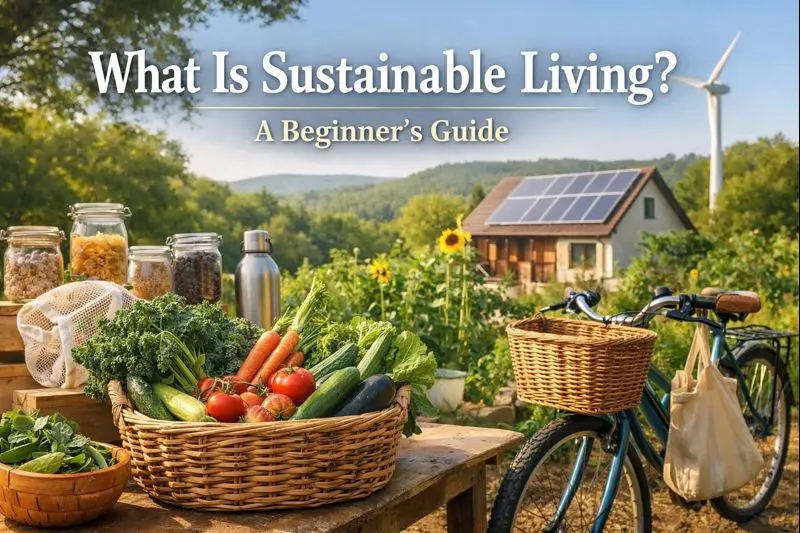
What Is Sustainable Living? A Beginner’s Guide
Sustainable living is a lifestyle that aims to reduce an individual's or society's use of the earth's natural resources. It involves making conscious choices to minimize our carbon footprint and overall impact on the environment. This can include practices such as recycling, using renewable energy sources, reducing waste, and supporting ethical and eco-friendly companies. By adopting sustainable living practices, we can help preserve the planet for future generations.
From small changes in our daily habits to larger decisions about the products we buy, sustainable living is about making a commitment to be more mindful of our impact on the planet. It's not about being perfect but rather making progress towards a more sustainable future for all.
Eco-friendly habits: simple changes to reduce waste and energy consumption
One way to embrace sustainable living is by incorporating eco-friendly habits into our daily routines. This can include simple actions like using reusable bags, opting for glass containers instead of plastic ones, and turning off lights and electronic devices when not in use. By reducing our energy consumption and waste production, we can significantly lessen our environmental footprint and contribute to a healthier planet.
Small changes can add up to make a big difference. Whether it's choosing to walk or bike instead of driving, composting food scraps, or investing in energy-efficient appliances, every effort towards eco-friendly habits counts towards a more sustainable lifestyle.
Benefits of organic products: advantages for health and the environment
Organic products offer numerous benefits for both our health and the environment. By choosing organic foods, we can avoid harmful pesticides and chemicals that can have negative effects on our bodies. Additionally, organic farming practices promote soil health, biodiversity, and water conservation, making it a more sustainable choice for the planet.
Supporting organic products also means supporting ethical and environmentally-friendly practices. From organic fruits and vegetables to skincare and household products, the benefits of choosing organic extend beyond personal health to promoting a healthier ecosystem for all living beings.
Green transportation options: walking, biking, public transport, and electric vehicles
Choosing green transportation options is a key component of sustainable living. By walking, biking, carpooling, taking public transport, or driving electric vehicles, we can reduce our carbon emissions and dependence on fossil fuels. These alternatives not only help lower air pollution but also promote physical activity and community well-being.
From reducing traffic congestion to improving air quality, embracing green transportation options benefits both individuals and the planet. By making conscious choices about how we travel, we can contribute to a more sustainable and environmentally-friendly future.
Tips for sustainable shopping: how to choose products with minimal environmental impact
When it comes to sustainable shopping, being mindful of the products we buy can make a significant difference. Opting for locally sourced items, supporting fair trade practices, and choosing products with minimal packaging are all ways to reduce our environmental impact. By prioritizing quality over quantity and investing in durable goods, we can move towards a more sustainable approach to shopping.
Another tip for sustainable shopping is to look for certifications like organic, Fair Trade, or eco-friendly labels. These indicators can help guide our purchasing decisions and support companies that align with our values of sustainability and environmental responsibility.
Importance of recycling and composting: strategies to reduce waste and promote a circular economy
Recycling and composting play vital roles in reducing waste and promoting a circular economy. By recycling materials like paper, glass, plastic, and metal, we can conserve natural resources and minimize the amount of waste sent to landfills. Composting organic waste like food scraps and yard trimmings further helps reduce greenhouse gas emissions and enrich soil quality.
Embracing recycling and composting as part of our daily routines is a tangible way to contribute to a more sustainable society. By closing the loop on our consumption habits and reusing resources whenever possible, we can work towards a greener and more efficient system of waste management.
Creating an eco-friendly home: ideas for energy-efficient appliances, renewable energy sources, and sustainable materials
Transforming our homes into eco-friendly spaces involves incorporating energy-efficient appliances, utilizing renewable energy sources, and opting for sustainable materials in construction and decor. From installing solar panels to using programmable thermostats and LED lighting, there are numerous ways to increase energy efficiency and reduce our carbon footprint at home.
Choosing sustainable materials such as bamboo flooring, reclaimed wood furniture, and non-toxic paints can also contribute to a healthier indoor environment and support environmentally-conscious practices. By creating an eco-friendly home, we can not only reduce our environmental impact but also promote a more sustainable way of living for ourselves and our families.
Sustainable living is not just a trend but a necessary shift towards a more harmonious relationship with the planet. By making conscious choices in our daily lives, from the products we buy to how we travel and design our homes, we can all play a part in building a more sustainable future. Let's continue to educate ourselves, make small changes, and inspire others to join us on this journey towards a greener and healthier world for all.
FAQs
How can I start living a more sustainable lifestyle?
Begin by making small changes in your daily habits, such as reducing single-use plastics, conserving energy, and supporting eco-friendly brands. Educate yourself on sustainable practices and seek out opportunities to make a positive impact on the environment.
Why is sustainable living important?
Sustainable living is important because it helps protect the planet's natural resources, reduces pollution, and promotes a healthier and more balanced ecosystem. By adopting sustainable practices, we can work towards a more sustainable future for generations to come.