
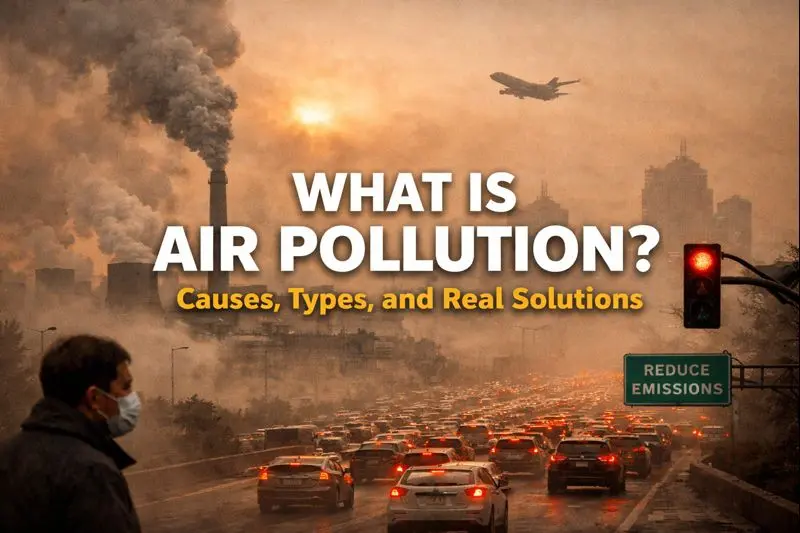
In today's modern world, the issue of air pollution has become a critical concern that affects everyone globally. From industrial emissions to transportation exhausts, the sources of air pollution are diverse and widespread. Understanding the causes, types, health effects, and environmental impacts of air pollution is crucial in developing effective solutions to combat this pressing problem.
What Is Air Pollution? Causes, Types, and Real Solutions
Air pollution refers to the presence of harmful substances in the air that can adversely affect human health, the environment, and the climate. The main causes of air pollution include industrial activities, transportation emissions, and agricultural practices. These activities release a variety of pollutants into the atmosphere, leading to a range of health and environmental problems.
Common types of air pollutants include particulate matter, nitrogen oxides, sulfur dioxide, and volatile organic compounds. These pollutants can have serious health effects, such as respiratory issues, cardiovascular diseases, and neurological disorders. It is essential to address the sources of these pollutants to improve air quality and protect public health.
Health Effects of Air Pollution
Air pollution poses significant risks to human health, with both short-term and long-term consequences. Exposure to polluted air can result in respiratory issues such as asthma exacerbation, bronchitis, and lung cancer. Additionally, air pollution is linked to cardiovascular diseases like heart attacks and stroke, as well as neurological disorders such as Alzheimer's disease and cognitive impairment.
Reducing air pollution levels is vital in preventing these adverse health effects and promoting overall well-being. By implementing policies to limit emissions and adopting cleaner technologies, we can safeguard public health and create a healthier environment for future generations.
Environmental Impact of Air Pollution
Air pollution not only affects human health but also has detrimental effects on the environment and ecosystems. Pollutants released into the air can contribute to acid rain, smog formation, and ozone depletion, leading to damage to vegetation, wildlife, and aquatic systems. Climate change consequences, such as rising temperatures and extreme weather events, are exacerbated by air pollution.
To mitigate the environmental impact of air pollution, it is imperative to adopt sustainable practices, protect natural habitats, and reduce greenhouse gas emissions. By preserving biodiversity, minimizing pollution, and addressing climate change, we can work towards a cleaner and more resilient planet.
Strategies to Reduce Air Pollution
Addressing air pollution requires a multi-faceted approach that involves promoting cleaner energy sources, improving transportation systems, and implementing effective regulations. Transitioning to renewable energy sources such as solar and wind power can help reduce emissions from fossil fuels and decrease air pollution levels.
Investing in public transportation, promoting carpooling, and developing bicycle infrastructure can also reduce vehicle emissions and improve air quality in urban areas. Furthermore, enacting stringent environmental regulations and supporting sustainable practices can ensure compliance with air quality standards and protect both human health and the environment.
Community Involvement in Fighting Air Pollution
Community engagement plays a vital role in combating air pollution and fostering environmental sustainability. By raising awareness about the impacts of air pollution, communities can advocate for policies that prioritize clean air and public health. Supporting environmental initiatives, participating in clean-up efforts, and reducing personal carbon footprints are essential steps individuals can take to mitigate pollution levels.
Empowering communities to engage in environmentally responsible practices, such as recycling, energy conservation, and tree planting, can contribute to collective efforts to combat air pollution and build a more sustainable future. By working together towards cleaner air and a healthier planet, we can create a positive impact on our surroundings and well-being.
In conclusion, addressing the complex issue of air pollution requires collaborative efforts at local, national, and global levels. By understanding the causes, types, health effects, and environmental consequences of air pollution, we can develop holistic solutions that prioritize public health and environmental protection. Embracing sustainable practices, advocating for clean air policies, and actively engaging in community initiatives are essential steps in creating a cleaner, healthier future for all.
FAQs
What are the main sources of air pollution?
The main sources of air pollution include industrial emissions, transportation exhausts, and agricultural activities. These sources release various pollutants into the atmosphere, contributing to poor air quality.
How does air pollution impact human health?
Air pollution can lead to a range of health issues, including respiratory diseases, cardiovascular problems, and neurological disorders. Prolonged exposure to polluted air can have serious implications for public health.