
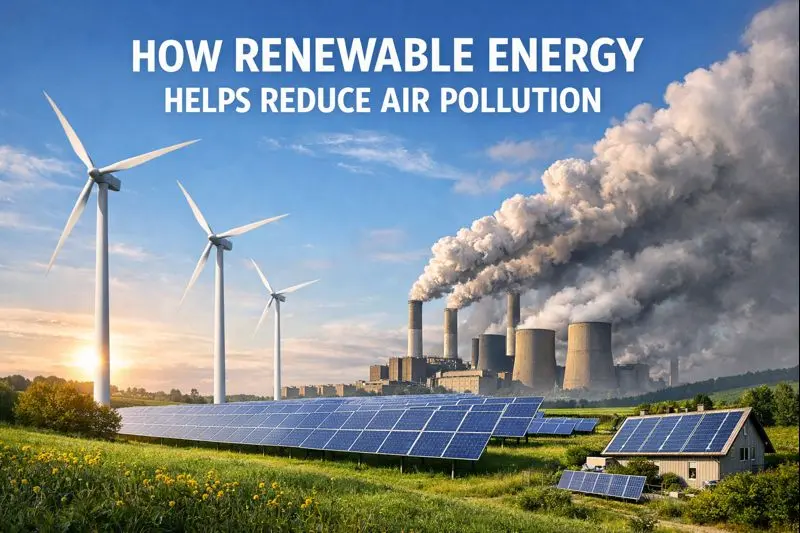
In today's world, the importance of renewable energy sources in combating air pollution cannot be overstated. This article will delve into two prominent forms of renewable energy – solar energy and wind power – and how they play a vital role in reducing greenhouse gas emissions and promoting clean air. By harnessing these natural resources, we can significantly decrease our reliance on fossil fuels and move towards a cleaner, more sustainable future.
Benefits of Solar Energy: How Solar Panels Reduce Greenhouse Gas Emissions and Promote Clean Air
Solar energy is a clean and abundant source of power that holds immense potential in combating air pollution. By installing solar panels on rooftops and open spaces, individuals and businesses can generate electricity without producing harmful emissions. The process of harnessing solar energy produces no greenhouse gases, helping to mitigate the effects of climate change and improve air quality.
Furthermore, the use of solar energy reduces our dependence on traditional fossil fuels such as coal and oil, which are major contributors to air pollution. By transitioning to solar power, we can significantly decrease the amount of harmful pollutants released into the atmosphere, leading to cleaner and healthier air for all.
In addition to environmental benefits, solar energy also offers economic advantages. As the cost of solar technology continues to decline, more individuals and organizations are embracing solar power as a cost-effective and sustainable energy solution. This shift towards solar energy not only benefits the environment but also promotes job creation and economic growth in the renewable energy sector.
Advantages of Wind Power: Harnessing Wind Energy to Reduce Reliance on Fossil Fuels and Decrease Air Pollution
Wind power is another key player in the fight against air pollution, offering a clean and renewable alternative to traditional energy sources. Wind turbines convert the kinetic energy of the wind into electricity, providing a sustainable power source with minimal environmental impact. Unlike fossil fuels, wind power does not emit harmful pollutants or greenhouse gases, making it an eco-friendly energy option.
One of the significant advantages of wind power is its ability to reduce our reliance on finite fossil fuels, which are known to contribute significantly to air pollution and global warming. By harnessing the power of the wind, we can diversify our energy sources and move towards a more sustainable energy mix that prioritizes environmental stewardship and public health.
Moreover, wind power offers reliability and scalability, making it a viable solution for meeting the growing energy demands of modern society. With ongoing technological advancements and increased investment in wind energy infrastructure, we have the opportunity to further reduce air pollution, combat climate change, and create a more sustainable future for generations to come.
Renewable energy sources such as solar energy and wind power play a crucial role in reducing air pollution and promoting a cleaner, healthier environment. By embracing these sustainable alternatives, we can mitigate the harmful effects of greenhouse gas emissions, decrease reliance on fossil fuels, and pave the way for a more sustainable future. It is imperative that we continue to prioritize renewable energy development and investment to ensure a cleaner and greener planet for future generations.
FAQs
How do solar panels help reduce air pollution?
Solar panels generate electricity without emitting harmful greenhouse gases, reducing air pollution and improving air quality.
What are the environmental benefits of wind power?
Wind power is a clean and renewable energy source that does not produce air pollutants or contribute to climate change, making it environmentally friendly.