
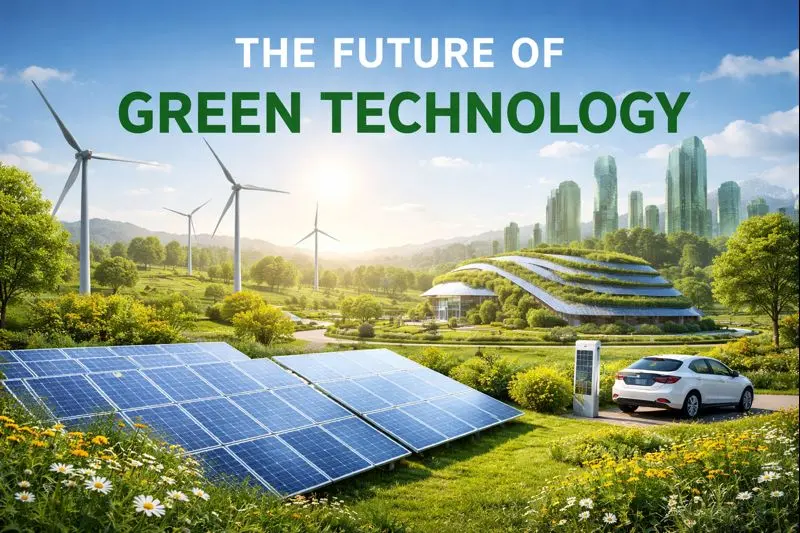
Hey there, welcome to our exploration of the future of green technology! In this article, we will delve into various sustainable solutions that are shaping a cleaner and more eco-friendly world. Let's start our journey by looking at some of the key topics.
1. Sustainable Energy Sources: Solar, Wind, and Hydro Power
One of the most significant shifts towards sustainability is the increasing adoption of renewable energy sources such as solar, wind, and hydro power. These technologies harness the natural elements to generate clean electricity, reducing our reliance on fossil fuels and lowering carbon emissions. Solar panels on rooftops, wind turbines dotting the landscape, and hydroelectric dams are becoming common sights as we embrace a greener energy future.
By investing in these sustainable energy sources, we not only combat climate change but also create new opportunities for innovation and job growth in the renewable energy sector. As technology advances and costs decrease, the transition to a clean energy grid becomes increasingly feasible and beneficial for both the planet and society.
2. Green Transportation Revolution
The transportation sector plays a significant role in contributing to environmental pollution and greenhouse gas emissions. However, the shift towards a green transportation revolution is well underway. Electric vehicles (EVs) are gaining popularity, offering a cleaner alternative to traditional gasoline-powered cars. Smart urban mobility solutions, including bike-sharing programs and electric scooters, are transforming how we navigate cities in a sustainable way.
In addition, sustainable transport strategies such as improved public transit systems and initiatives to reduce traffic congestion are key components of building more eco-friendly cities. By promoting walking, cycling, and public transportation, we can reduce air pollution, mitigate climate impacts, and create healthier urban environments for all residents.
3. Circular Economy Principles
The concept of a circular economy revolves around reducing waste and maximizing resources through recycling, reusing, and repurposing materials. By embracing circular economy principles, businesses and industries can minimize their environmental footprint and contribute to a more sustainable future. This approach aims to close the loop on production and consumption, creating a regenerative system that benefits both the economy and the environment.
From product design and manufacturing to end-of-life recycling and disposal, adopting circular economy practices can lead to resource efficiency, cost savings, and reduced environmental impact. By shifting away from the traditional linear 'take-make-dispose' model, we can build a more resilient and sustainable economy that prioritizes longevity and sustainability.
4. Smart Agriculture Practices
Technology-driven solutions are revolutionizing agriculture practices, making food production more efficient, sustainable, and environmentally friendly. From precision farming techniques that optimize crop yields to data-driven insights that improve resource management, smart agriculture is reshaping the food industry. By leveraging IoT devices, drones, and AI algorithms, farmers can make data-informed decisions that enhance productivity while minimizing environmental harm.
Furthermore, sustainable agriculture practices such as organic farming, agroforestry, and crop rotation help preserve soil health, biodiversity, and ecosystem resilience. By prioritizing regenerative farming methods and sustainable land management, we can ensure food security for future generations while safeguarding the planet's natural resources.
5. Green Building Innovations
Green building innovations focus on eco-friendly materials, energy-efficient designs, and sustainable construction methods that minimize the environmental impact of buildings. By incorporating green building practices, architects and developers can create structures that promote energy efficiency, indoor air quality, and resource conservation. From passive solar design and green roofs to low-VOC paints and recycled materials, sustainable building techniques offer a holistic approach to construction.
By embracing green building innovations, we can reduce energy consumption, lower carbon emissions, and create healthier living spaces for occupants. The integration of sustainable building principles not only benefits the environment but also enhances the economic and social value of properties, contributing to a more sustainable and resilient built environment.
6. Environmental Impact Assessment Tools
Monitoring and evaluating the sustainability of green technology projects is essential to understanding their environmental impact and effectiveness. Environmental impact assessment tools provide a systematic framework for assessing the consequences of proposed projects on the environment, helping decision-makers make informed choices that promote sustainability and mitigate harm. By conducting thorough assessments and analyses, we can ensure that green technology projects align with sustainable development goals and best practices.
From lifecycle assessments and carbon footprint analyses to biodiversity surveys and ecosystem services valuation, environmental impact assessment tools offer valuable insights into the environmental performance of green projects. By incorporating these tools into project planning and decision-making processes, we can enhance the sustainability and effectiveness of green technology initiatives for a cleaner and greener future.
As we look ahead to the future of green technology, it is evident that sustainable solutions are key to addressing global environmental challenges and advancing towards a more resilient and eco-friendly society. By embracing renewable energy sources, green transportation technologies, circular economy principles, smart agriculture practices, green building innovations, and environmental impact assessment tools, we can pave the way for a sustainable future for generations to come.
FAQs
What are the key benefits of adopting green technology?
Adopting green technology offers numerous benefits, including reduced environmental impact, lower energy costs, improved resource efficiency, and enhanced public health. By transitioning to sustainable practices, we can mitigate climate change, preserve natural resources, and create a more equitable and sustainable future for all.
How can individuals contribute to the advancement of green technology?
Individuals can contribute to the advancement of green technology by making environmentally conscious choices in their daily lives, such as reducing energy consumption, recycling and composting, supporting sustainable products and businesses, and advocating for policies that promote sustainability. Small actions collectively make a significant impact in driving the transition towards a greener and more sustainable world.