
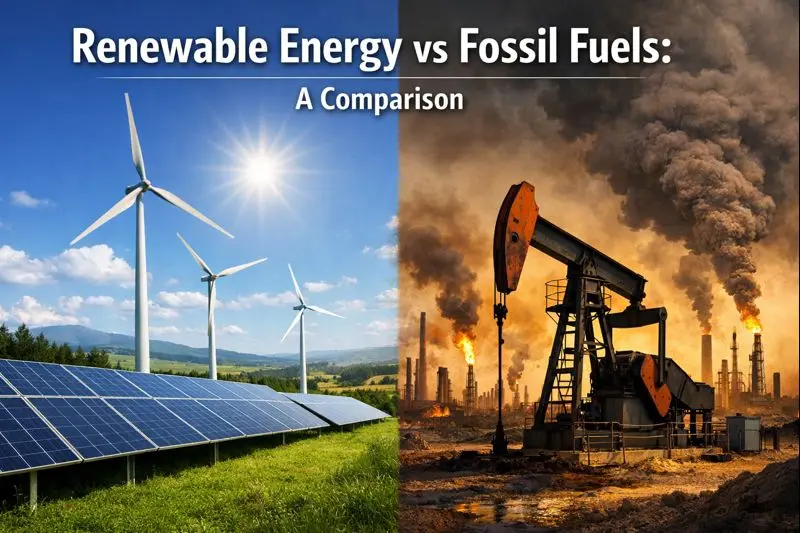
Renewable Energy vs Fossil Fuels: A Comparison
In the ongoing debate between renewable energy and fossil fuels, it is essential to analyze the key factors that differentiate these two sources of energy. This article will delve into the impact on the environment, evaluating the carbon footprint and ecological consequences of each energy source. Furthermore, we will explore the cost-effectiveness, analyzing the economic aspects and long-term sustainability of both renewable energy and fossil fuels.
Impact on the Environment
When it comes to evaluating the environmental impact, renewable energy sources have a significant advantage over fossil fuels. Renewable energy sources such as solar, wind, and hydropower produce clean energy without emitting harmful pollutants or greenhouse gases into the atmosphere. In contrast, the extraction and burning of fossil fuels result in high carbon emissions, contributing to climate change and air pollution.
Moreover, the use of renewable energy helps reduce the dependence on finite resources like coal, oil, and natural gas, promoting a sustainable approach to energy production. By harnessing the power of renewable sources, we can mitigate the environmental degradation caused by extensive fossil fuel consumption and pave the way for a greener future.
Cost-effectiveness
From an economic standpoint, the cost-effectiveness of renewable energy has become increasingly competitive compared to traditional fossil fuels. Advances in technology and government incentives have made renewable energy more affordable and accessible, driving down costs associated with solar panels, wind turbines, and other clean energy solutions.
Furthermore, the long-term sustainability of renewable energy offers a stable and reliable energy source that is not subject to the price volatility often associated with fossil fuels. As the global shift towards clean energy continues, investments in renewable infrastructure can yield significant returns while reducing environmental risks and ensuring energy security for future generations.
In conclusion, the comparison between renewable energy and fossil fuels highlights the urgent need to transition towards sustainable energy practices. While fossil fuels have been the predominant source of energy for decades, the environmental and economic benefits of renewable energy are undeniable. By investing in clean energy technologies and embracing a low-carbon future, we can mitigate climate change, reduce pollution, and create a more resilient energy system.
FAQs
What are the main advantages of renewable energy?
Renewable energy sources offer numerous advantages, including lower carbon emissions, improved air quality, energy independence, and long-term sustainability.
How do fossil fuels contribute to climate change?
The combustion of fossil fuels releases large amounts of carbon dioxide and other greenhouse gases into the atmosphere, trapping heat and leading to global warming and climate disruptions.